

 9:03 am - March 23, 2026
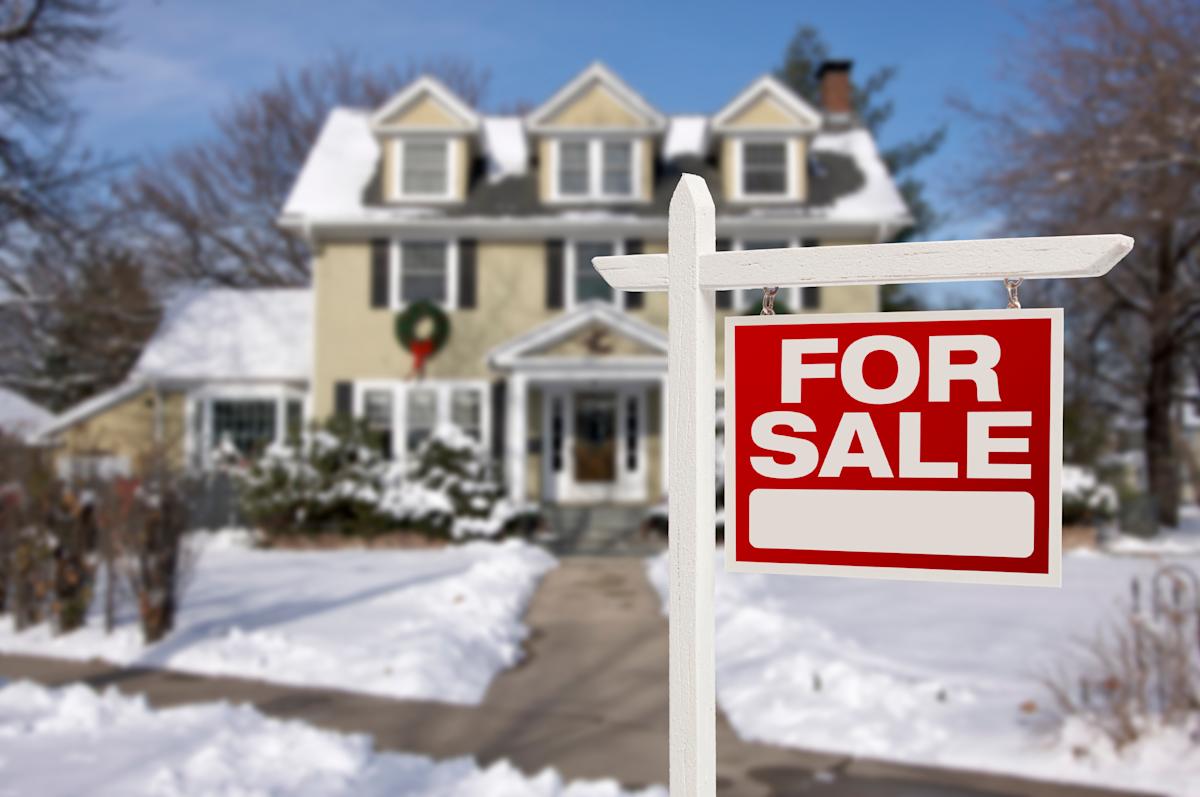
Mortgage rates have dropped to a three-year low in mid-January 2026, creating fresh opportunities for prospective homebuyers preparing to enter the market before summer. The average rate on a 30-year fixed-rate mortgage stands at 6.06%, significantly down from 7.04% a year earlier, while 15-year fixed-rate mortgages have fallen to 5.38% from 6.27%, according to recent market data. Additionally, new underwriting standards are shifting how lenders evaluate creditworthiness, moving beyond rigid credit score minimums to assess broader financial patterns.
This convergence of lower mortgage rates and evolving lending criteria presents a window for buyers who have been waiting on the sidelines. With inflation hovering at 2.7% year-over-year and the Federal Reserve having cut rates at its December meeting, mortgage applications have increased as borrowers rush to lock in favorable terms before the housing market heats up during the traditional summer buying season.
Understanding Current Mortgage Rate Trends
The recent decline in mortgage rates represents a substantial shift from the volatility of the previous two years. According to Jose Pascual, head of mortgage and commercial banking at PSECU, while lower rates should improve affordability somewhat, home prices and limited inventory will still keep competition strong. Buyers who start preparing now and lock in a favorable rate when the time comes may find themselves in a much stronger position, he noted.
However, uncertainty remains about whether rates will continue falling. Fresh pressure from Washington on Freddie Mac and Fannie Mae to buy more mortgage bonds could potentially push mortgage rates even lower. The next Federal Reserve meeting scheduled for January 26-27 may provide further direction, though waiting for additional rate cuts could be a gamble if home inventory tightens or competition intensifies.
New Credit Score Requirements Change the Game
For years, a FICO score of around 620 served as a hard line between who could and couldn’t qualify for a conventional mortgage. That threshold is changing in 2026 as Fannie Mae and Freddie Mac implement new underwriting standards that move away from rigid score minimums toward a broader picture of borrower financial behavior.
Instead of focusing heavily on one score, lenders can now evaluate financial patterns such as consistent bill payment, how debt balances change over time, and responsible management of recurring expenses like rent or utilities. This shift could be especially meaningful for first-time buyers and renters with limited or nontraditional credit histories, though individual mortgage lenders can still impose a minimum credit score of 620 if they choose.


Credit scores still influence the interest rate and terms borrowers receive. Meanwhile, the emphasis on holistic financial assessment means someone who pays rent on time every month but doesn’t carry many traditional credit accounts may look stronger under this approach than they would have previously.
Preparing Your Finances for a 2026 Home Purchase
Prospective buyers should take a comprehensive look at their finances rather than focusing solely on credit scores. Eileen Tu, vice president of product development at Rocket Mortgage, recommends participating in a homebuyer education course before seeking preapproval. These courses, many approved by the U.S. Department of Housing and Urban Development, walk buyers through assessing financial readiness, budgeting for a mortgage, understanding credit, and comparing mortgage loan options.
Additionally, buyers should be realistic about their 2026 budget and factor in major expenses on the horizon such as childcare, tuition, or a new car to get a clear picture of their financial situation, according to Tu. Beyond the down payment, costs like property taxes, homeowners insurance, closing fees, and ongoing maintenance can quickly add up and often derail a deal.
Michael Desimone, chief lending officer at Citadel Credit Union, recommends taking at least six months to prepare financially before applying for a mortgage. This preparation includes checking credit reports for free at AnnualCreditReport.com, paying down debt, and keeping credit card balances low. Building a cushion for post-closing expenses such as roof replacement, water heater repairs, or paint jobs can prevent financial shocks later.
Down Payment Assistance and Loan Options
The myth that buyers need 20% down for a down payment continues to deter many would-be homeowners. From lender-specific programs to government-backed mortgages, buyers can enter homeownership with significantly less. FHA loans require down payments as low as 3.5% with relatively easy qualification criteria, while VA loans allow eligible borrowers to put $0 down at closing and often enjoy rates that trend lower than conventional mortgages.
In contrast to conventional loans, these government-backed options provide pathways to homeownership for buyers who might otherwise struggle to accumulate large down payments. Researching available options now allows buyers to act quickly when their finances and the market align.
Market Timing Versus Personal Readiness
After years of elevated rates and prices, some prospective buyers have developed hesitation about entering the market. However, experts agree that timing the market is nearly impossible, and waiting for the perfect moment often means missing opportunities. Instead of focusing on market timing, buyers should base their decision on personal and financial readiness, according to Tu.
If buyers find a home in 2026 that fits their budget and lifestyle, speculation about future rates shouldn’t hold them back since refinancing remains an option if rates drop further. Ultimately, mortgage rates hit a three-year low in mid-January presents a compelling opportunity, but individual circumstances matter more than market headlines.
Looking ahead, most forecasts point toward slightly more inventory compared to recent years, though housing economists expect home prices to grow more slowly rather than fall outright. Limited inventory, especially in the Northeast and Midwest, continues to support prices, while affordability improvements may come from favorable financing terms and negotiation power rather than lower list prices. Whether a recession materializes remains uncertain, though many economists expect a soft-landing scenario that would maintain relative housing market stability throughout the year.


