

 10:47 am - March 23, 2026
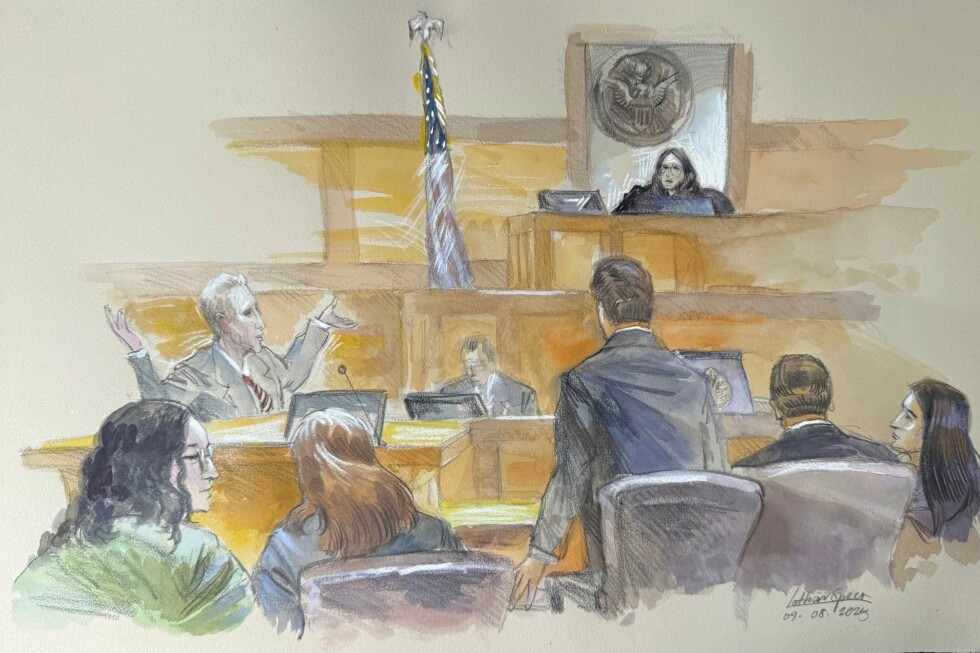
Federal prosecutors are expected to request a life sentence for Ryan Routh, the man convicted of attempting to assassinate President Donald Trump at a Florida golf course in 2024, during a sentencing hearing scheduled for Wednesday. Routh will appear before U.S. District Judge Aileen Cannon in Fort Pierce, where chaos erupted in September shortly after jurors found him guilty on all counts, including attempting to kill a presidential candidate and several firearm-related charges.
The convicted man attempted to stab himself in the neck with a pen immediately following the guilty verdict, prompting officers to quickly remove him from the courtroom. According to court records, Routh’s sentencing had originally been scheduled for December but was postponed after he decided to use an attorney during the sentencing phase instead of representing himself as he did throughout most of the trial.
Prosecutors Seek Maximum Penalty for Trump Assassination Attempt
In a sentencing memorandum filed last month, federal prosecutors argued that Routh has yet to accept any responsibility for his actions and should spend the rest of his life in prison, consistent with federal sentencing guidelines. The memo stated that Routh remains unrepentant for his crimes, never apologized for the lives he put at risk, and his life demonstrates near-total disregard for law.
However, Routh’s new defense attorney, Martin L. Roth, is requesting the judge deviate from sentencing guidelines. The defense is asking for 20 years in prison on top of a mandatory seven-year sentence for one of the gun convictions, rather than life imprisonment.
Defense Argues for Reduced Sentence
In court filings, the defense attorney noted that the defendant is two weeks short of being sixty years old. The attorney argued that a just punishment would provide a sentence long enough to impose sufficient but not excessive punishment, and to allow the defendant to experience freedom again as opposed to dying in prison.
According to prosecutors, Routh spent weeks plotting to kill Trump before aiming a rifle through shrubbery as the then-Republican presidential candidate played golf on September 15, 2024, at his West Palm Beach country club. At trial, a Secret Service agent helping protect Trump on the golf course testified that he spotted Routh before Trump came into view.


Details of the Golf Course Incident
The Secret Service agent testified that Routh aimed his rifle at him, prompting the agent to open fire. This caused Routh to drop his weapon and flee without firing a shot, according to trial testimony. The incident represents one of multiple security concerns involving the president during the 2024 campaign period.
Meanwhile, in the motion requesting an attorney, Routh offered to trade his life in a prisoner swap with people unjustly held in other countries. He also stated that an offer still stood for Trump to “take out his frustrations on my face,” according to court documents.
In her decision granting Routh an attorney, Judge Cannon chastised what she called the “disrespectful charade” of Routh’s motion, saying it made a mockery of the proceedings. Nevertheless, the judge, nominated by Trump in 2020, said she wanted to err on the side of legal representation.
Self-Representation and Legal Proceedings
Cannon had signed off last summer on Routh’s request to represent himself following two hearings. The U.S. Supreme Court has held that criminal defendants have the right to represent themselves in court proceedings, as long as they can show a judge they are competent to waive their right to be defended by an attorney.
Additionally, Routh’s former federal public defenders served as standby counsel and were present during the trial. The assassination attempt charges carry severe penalties under federal law, with prosecutors emphasizing the gravity of targeting a presidential candidate.
The sentencing hearing on Wednesday will determine whether Judge Cannon accepts the prosecution’s recommendation for life imprisonment or grants the defense’s request for a reduced sentence that would allow Routh the possibility of eventual release.