

 10:47 am - March 23, 2026
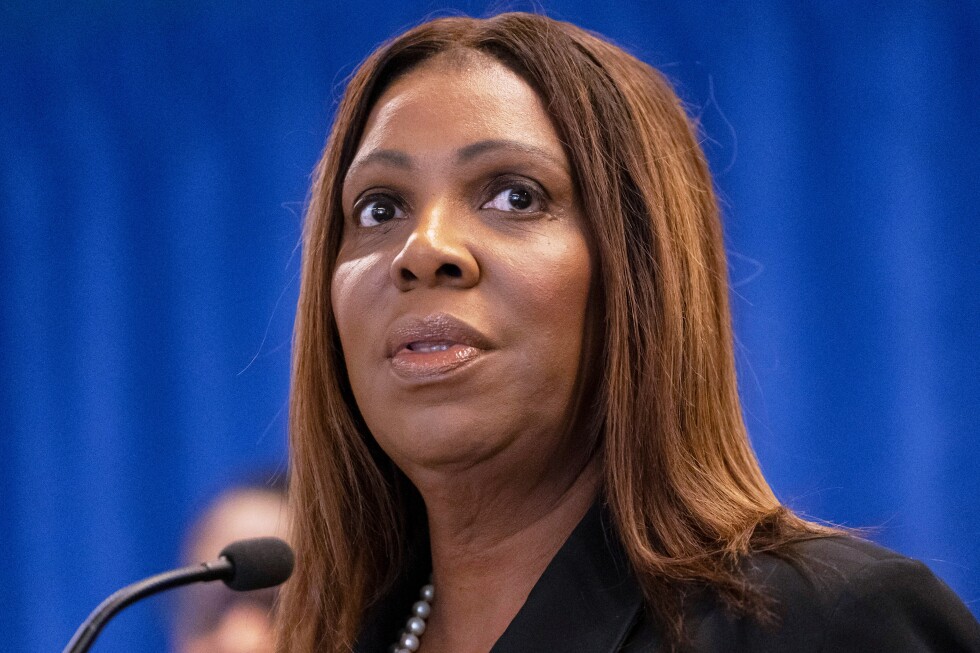
New York Attorney General Letitia James announced Tuesday a new initiative to deploy legal observers to monitor federal immigration enforcement operations across the state. The observers, who will wear distinctive purple safety vests, will be sent to areas where immigration enforcement activity has been reported to gather information that may support future legal challenges against federal actions.
According to James, the observers will act as neutral witnesses documenting potential violations of law without interfering with federal operations. The Democratic attorney general has also requested that New York residents submit videos of federal immigration enforcement actions to her office for review and analysis.
Rising Tensions Over Federal Immigration Enforcement
The announcement comes amid heightened tensions nationwide over President Donald Trump’s aggressive immigration crackdown policies. The initiative follows the shooting deaths of two U.S. citizens by federal agents in Minnesota, an incident that has intensified scrutiny of immigration enforcement tactics.
Videos circulating online have shown federal agents conducting immigration arrests throughout the country, drawing widespread criticism for what many describe as heavy-handed tactics. These viral videos have fueled public concern about the methods employed during enforcement operations and the potential for constitutional rights violations.
Constitutional Protections at Center of Debate
In her statement, James emphasized her commitment to protecting New Yorkers’ constitutional rights to free speech, peaceful protest, and the ability to conduct their daily lives without fear of unlawful federal action. She specifically referenced the Minnesota incident as evidence of how quickly federal operations can escalate without proper transparency and accountability measures.
The legal observers will focus on identifying potential violations during federal immigration enforcement activities while maintaining their role as witnesses rather than participants. However, the exact legal framework under which these observers will operate and what specific violations they will document remains to be detailed by the attorney general’s office.


Monitoring Federal Immigration Enforcement Through Legal Oversight
The observer program represents an unprecedented state-level response to federal immigration enforcement operations. Additionally, it signals a broader strategy by state officials to create accountability mechanisms for federal actions within New York’s borders.
Meanwhile, New York Governor Kathy Hochul has announced plans to pursue complementary legislation this year. The proposed measures would allow individuals to sue federal officers who act outside the scope of their duties, creating a civil liability framework for potential misconduct.
Additional Legislative Protections Proposed
Governor Hochul’s legislative package also includes provisions to restrict immigration agents from entering schools, hospitals, and houses of worship without a warrant issued by a judge. These proposed protections aim to establish safe zones where community members can access essential services without fear of immigration enforcement.
In contrast to previous approaches, these initiatives represent a more aggressive stance by state officials toward federal immigration operations. The combination of legal observers and proposed legislation creates multiple layers of oversight and potential consequences for federal actions deemed unlawful.
The attorney general’s office has not specified how many observers will be deployed or provided details about their training and protocols. Authorities have not confirmed whether the observer program will extend statewide or focus on specific regions with higher levels of federal immigration enforcement activity.
The effectiveness of the observer program and proposed legislation will likely depend on future legal challenges and potential conflicts between state and federal authority. Both initiatives may face legal scrutiny regarding the extent to which states can regulate or monitor federal law enforcement operations within their borders.