

 9:02 am - March 23, 2026
Discussions concerning weight gain have been remarkably consistent over the last ten years. We talk about sugar, portion sizes, desk jobs, late-night snacks. We don’t discuss traffic very often. However, in recent months, scientists have provided incredibly convincing evidence: our body’ ability to accumulate fat may be subtly impacted by air pollution.
Exposure to PM2.5, or fine particulate matter, has been linked to quantifiable increases in body mass index in extensive studies including millions of individuals, including over 3.9 million U.S. veterans. The increase, reaching up to 13.6% in certain findings, is not inconsequential. It signifies a biological transition, quietly unfolding, often unrecognized until clothes fit differently and blood indicators begin to change.
Scientists found trends that were strikingly similar across areas and populations by analyzing medical records in conjunction with data on air quality. Higher exposure predicted higher chance of obesity. Not dramatically overnight, but methodically, almost mechanically, like a dial being turned one meticulous notch at a time.
| Factor | Detail |
|---|---|
| Main pollutants involved | PM2.5, nitrogen oxides |
| Biological link | Inflammation, oxidative stress, hormonal disruption |
| Impact on BMI | Up to 13.6% increase in BMI with higher exposure |
| Vulnerable populations | Children, adolescents, prenatal exposure |
| Behavioral influence | Reduced physical activity, increased sedentary lifestyle |
| Research locations | USA (Berkeley, Ontario, Bronx), Beijing, Southern California |
| Notable studies | NIH, IQAir, University of Colorado Boulder, Camfil, Keck School of Medicine |
| External link | NIH.gov on Air Pollution and Obesity |
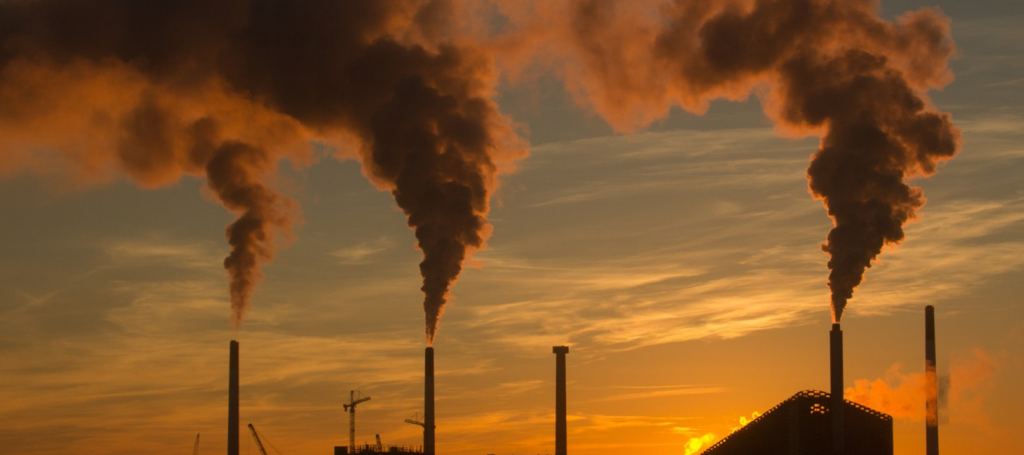
The mechanism is particularly creative in how it reframes our understanding of metabolism. When breathed, tiny particles irritate lung tissue, producing inflammatory responses and releasing cytokines. These chemical messengers, moving through the bloodstream, interfere with insulin signaling, making cells less sensitive and increasing fat storage. The technique is incredibly efficient in its disruption, gently recalibrating how energy is handled.
Insulin resistance is a critical turning point in metabolic health. When it becomes significantly raised, weight gain often follows. According to research done in Beijing, insulin resistance markers significantly increased during times of heavy smog. The timing was startlingly consistent each season, as though the body were reacting on cue to environmental stress.
For youngsters, the situation is even more alarming. A longitudinal study in the Bronx monitored nearly 800 children from pregnancy forward. Mothers carried handheld air monitors, carefully documenting exposure levels. Years later, the children who had encountered the highest prenatal pollution were up to two and a half times more likely to be obese.


I remember sitting with that figure for a bit, startled by how early vulnerability begins.
During adolescence, when bodies are already developing rapidly, contaminated air appears to exacerbate transformation. Research from Southern California indicated that young adults exposed to greater ozone levels experienced alterations in their gut microbiome. Certain bacteria associated to obesity proliferated, whereas microbial diversity was drastically reduced, providing conditions that favor weight accumulation.
Often referred to as a “second brain,” the gut functions as a busy marketplace where microorganisms exchange information and nutrients. The equilibrium shifts when pollution changes that marketplace. The effect may appear minor, however it is very effective over time, building year after year.
Animal studies offer extra clarity. In controlled trials, mice breathing dirty air produced larger fat cells and increased belly fat compared to those in filtered environments. Within weeks, insulin sensitivity deteriorated. The shift was extraordinarily evident and quantitative, eliminating most of the ambiguity concerning biological plausibility.
A layer is added by behavioral factors. Outdoor exercise declines on days when the quality of the air declines. Over time, this lowering becomes habit-forming. The combination of low-grade inflammation, respiratory discomfort, and fatigue reduces the attraction of physical exertion. Sedentary practices, establishing gradually, become extraordinarily good predictors of additional weight increase.
For urban people, the difficulty is structural rather than personal. Traffic congestion, industrial pollutants, and restricted open spaces lead to chronic exposure. Obesity rates among youngsters have significantly decreased since more stringent clean-air standards were implemented in some places, indicating that environmental change can result in health advantages that are unexpectedly economical when compared to long-term medical care.
Indoor air quality demands equal care. Americans spend more than 90% of their time inside homes, offices, or schools. Without sufficient filtering, indoor air can be substantially more concentrated with toxins than outdoor air. By installing high-efficiency filters and purifiers, families can create conditions that are particularly favorable for metabolic stability.
When chosen correctly, air purifiers are very adaptable devices. Operating quietly in the background, catching small particles, they function almost like a silent security system guarding metabolic health. Modern filtration systems have become much faster and highly efficient, delivering protection that was once available only in specialist facilities.
Policy is still vital. By restructuring urban roadways to favor bikes and pedestrians, cities may reduce traffic emissions and increase physical activity concurrently. Coordinated action can be extremely effective, as seen by the dramatic reduction of pollution levels in several metropolitan regions through deliberate investments in public transportation and renewable energy.
In recent years, public awareness has considerably improved. Air quality applications provide incredibly clear daily assessments, allowing consumers to change routines. Exercising indoors during high-pollution days or scheduling outdoor activity during cleaner hours might be very beneficial, especially for children and pregnant people.
For decades, weight control was portrayed as a straightforward calculation of calories consumed and calories burned. Now that equation seems to be lacking. Breathing, an automatic act we rarely contemplate, may play a role as basic as nutrition or exercise.
Although it broadens the perspective, the new research does not negate personal accountability. By understanding pollution as a physiological stressor, we obtain new tools for prevention. Cleaner air is the cornerstone of overall health, not only a respiratory safety measure.
In the coming years, as environmental policy and medical research increasingly collide, air quality improvements may become a cornerstone of obesity prevention measures. The science is becoming exceedingly apparent, and the ramifications are difficult to ignore.
We have long altered what we eat and how we move. Perhaps it’s time to focus just as much on our breathing.


