

 8:58 am - March 23, 2026
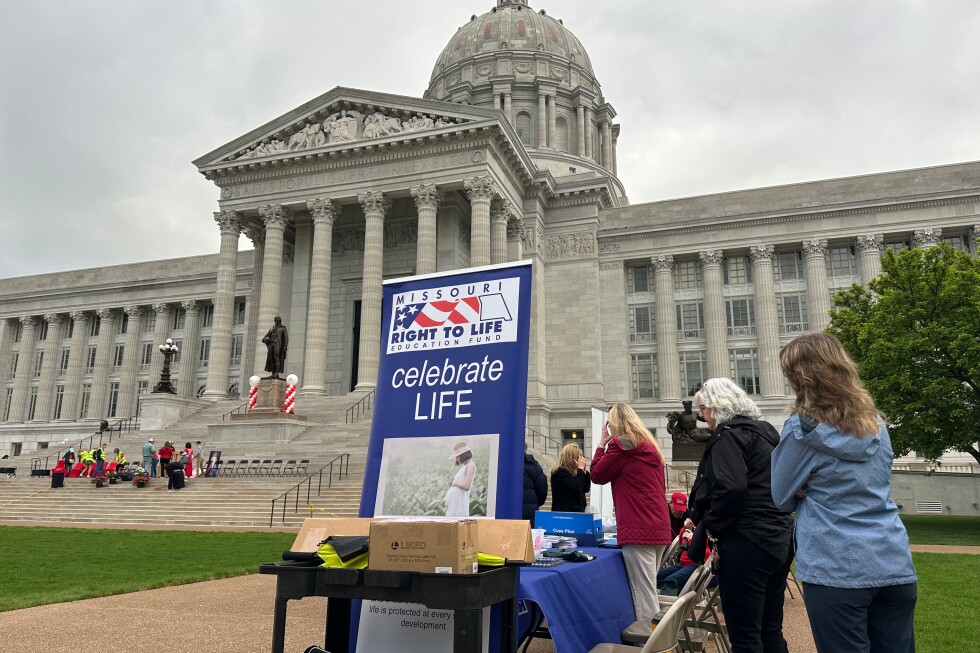
A Missouri appeals court has mandated revised language for a 2026 ballot measure that seeks to restrict abortion rights, ruling that voters must be explicitly informed the amendment would repeal reproductive healthcare rights they approved in 2024. The three-judge panel issued the order Thursday, marking another chapter in the ongoing legal and political battle over Missouri abortion access since the fall of Roe v. Wade.
The court imposed new wording stating the measure would “Repeal the 2024 voter-approved Amendment providing reproductive healthcare rights, including abortion through fetal viability.” According to the ruling, the previous ballot summary written by Republican Secretary of State Denny Hoskins falsely implied the measure would create new healthcare guarantees rather than eliminate existing protections.
Background of Missouri Abortion Rights Battle
Missouri’s abortion landscape has experienced dramatic shifts since the U.S. Supreme Court overturned Roe v. Wade in 2022. That decision immediately triggered a Missouri law banning most abortions across the state. However, abortion rights activists successfully gathered petition signatures to place a constitutional amendment on the 2024 ballot, which voters narrowly approved to allow most abortions.
The Republican-controlled Legislature responded swiftly to the voter-approved amendment. In May, lawmakers placed their own counter-measure on the 2026 ballot that would repeal the 2024 amendment and instead permit abortions only in cases of medical emergency, fetal anomaly, or rape and incest up to 12 weeks of pregnancy. Additionally, the proposed amendment would prohibit gender transition treatments for minors, which are already banned under existing state law.
Court Challenges to Ballot Language
The journey to Thursday’s ruling began when a state judge struck down the original ballot summary written by Republican lawmakers in September. The judge determined the initial wording was insufficient and unfair to voters. Subsequently, Secretary of State Hoskins submitted a revised version that received judicial approval, but the appeals court found this iteration also fell short of transparency requirements.
Meanwhile, the appeals panel rejected attempts by opponents to block the measure from appearing on the ballot entirely. Missouri Attorney General Catherine Hanaway, whose office defended the ballot measure, expressed disagreement with the wording revision but welcomed the decision allowing voters to decide the issue. According to Hanaway, the court “has cleared the way for the people, not partisan litigants, to decide the future of health and safety for women and children in Missouri.”


Implications for Missouri Abortion Access
The revised ballot language represents a significant victory for reproductive rights advocates who argued voters deserve clear information about what they are being asked to approve or reject. Tori Schafer, director of policy and campaigns at the ACLU of Missouri, emphasized the importance of transparency. “It is crucial that Missourians know they are being asked to end the protections for reproductive health care that we just passed in the last general election,” Schafer stated.
The Missouri case fits into a broader national pattern of ballot measure battles over abortion rights. During the November 2024 elections, abortion rights advocates prevailed on seven ballot measures across the United States while losing on three others. In contrast to Missouri’s effort to restrict access, abortion rights amendments will appear on ballots in Nevada next year and potentially in Virginia as well.
The legal wrangling over ballot language demonstrates the high stakes involved as both sides recognize that precise wording can significantly influence voter understanding and outcomes. However, the appeals court’s decision does not appear to be final, as further legal challenges or appeals remain possible before Missouri voters cast ballots in 2026.
The measure is scheduled to appear before Missouri voters in November 2026, though additional legal proceedings could potentially alter the timeline or language. Neither Hoskins’ office nor other state officials have indicated whether they will appeal Thursday’s ruling to a higher court.


