

 10:24 am - March 23, 2026
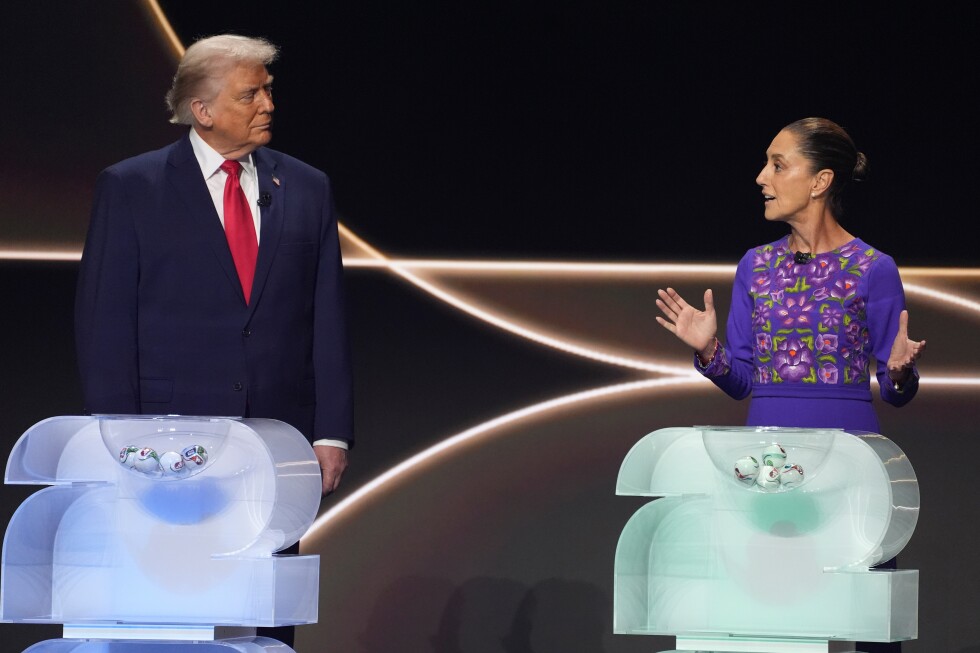
Mexico and the United States announced Tuesday that they have reached a water-sharing agreement requiring Mexico to deliver a minimum of 350,000 acre-feet of water annually to the U.S. under the bilateral water treaty. The Mexico-US water agreement comes after President Donald Trump threatened to impose a 5% tariff increase on Mexican imports if the country failed to address longstanding water delivery concerns. According to Mexican government ministries, the deal was confirmed following months of negotiations between the two nations.
Under the new terms, Mexico commits to sending at least 350,000 acre-feet of water to the United States each year during the current five-year cycle. This represents a significant modification to how the 1944 Water Treaty obligations are fulfilled, establishing guaranteed annual minimums rather than relying solely on the five-year total.
Changes to the 1944 Water Treaty Framework
The existing 1944 Water Treaty requires Mexico to deliver 1.75 million acre-feet of water from six tributaries to the United States over each five-year period. While this averages to 350,000 acre-feet annually, the treaty does not mandate specific yearly deliveries. U.S. officials have complained that Mexico often accumulates water debt in the early years of each cycle, creating hardships for Texas farmers before eventually meeting the total requirement by the cycle’s end.
Additionally, the United States provides Mexico with even larger water quantities from other sources along the western portions of their shared border. The new Mexico-US water agreement aims to create more predictable and evenly distributed water deliveries throughout each five-year period.
Government Responses and Diplomatic Context
Mexico’s Foreign Affairs, Environmental and Agriculture ministries confirmed the agreement in a joint statement Tuesday, though they did not initially specify the exact annual volume. The statement noted that “Mexico confirmed its willingness to guarantee the delivery of an annual minimum quantity agreed to by both countries,” according to the ministries.
The water-sharing agreement followed a phone conversation last week between President Trump and Mexican President Claudia Sheinbaum. In December, President Sheinbaum had indicated that Mexico would be sending additional water to address the existing water debt under the treaty.


Impact on Mexican Farmers and Drought Concerns
However, the water delivery commitment remains a sensitive issue within Mexico, particularly among farmers in northern states currently experiencing severe drought conditions. In the border state of Tamaulipas, which sits across from Texas, agricultural producers have reported in recent weeks that water scarcity has prevented some from planting crops this season.
Meanwhile, while the U.S. government has celebrated the agreement as a diplomatic victory, Mexican farmers face the challenge of balancing international treaty obligations with domestic agricultural water needs. The competing demands highlight the complex nature of transboundary water resources in arid regions.
Regional Water Scarcity Challenges
The bilateral water treaty governs water allocation from the Rio Grande and its tributaries, which serve agricultural and municipal needs on both sides of the border. Climate change and prolonged drought conditions have intensified pressure on these shared water resources in recent years. Both countries must navigate the delicate balance between honoring international commitments and supporting their respective farming communities.
In contrast to previous cycles where water deliveries fluctuated significantly from year to year, the new annual minimum requirement aims to provide greater certainty for U.S. water users, particularly agricultural operations in southern Texas that depend on these flows.
The agreement will be implemented during the remainder of the current five-year cycle under the 1944 Water Treaty. Authorities have not confirmed specific enforcement mechanisms or what consequences Mexico might face for falling short of the annual minimum, though the threat of tariffs demonstrates the economic leverage the United States holds in ensuring compliance with water-sharing obligations.