

 10:26 am - March 23, 2026
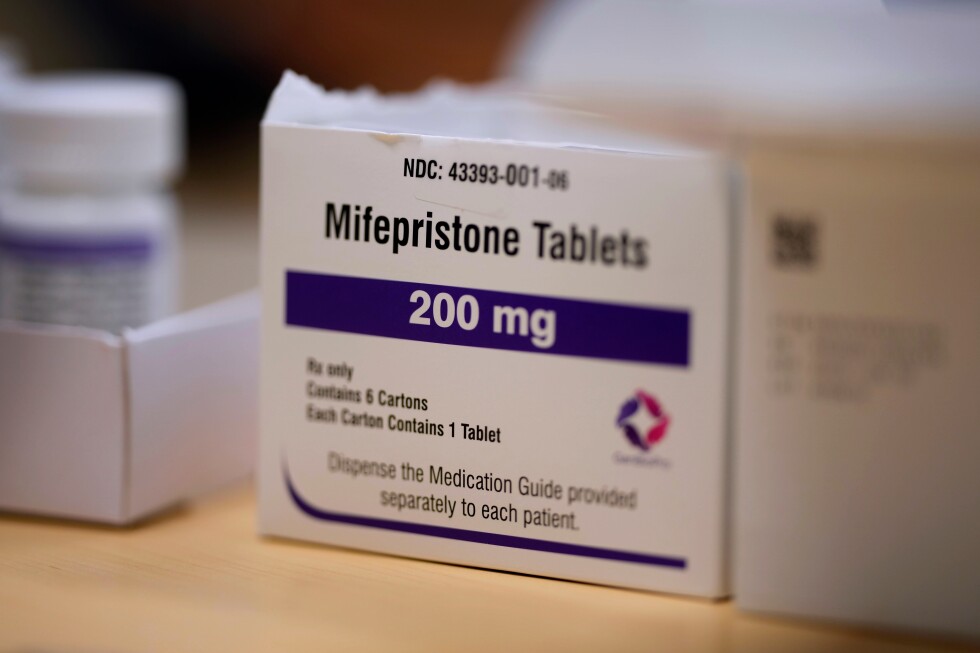
Louisiana has filed extradition paperwork to bring a California doctor to face criminal charges for allegedly mailing abortion pills to the state, according to officials. The case involving Dr. Remy Coeytaux, a physician based in the San Francisco Bay Area, marks the second time Louisiana has pursued an out-of-state abortion provider under its strict abortion restrictions, setting up a potential legal clash over shield laws designed to protect telehealth abortion providers.
Louisiana Attorney General Liz Murrill announced Tuesday that Coeytaux faces a criminal charge of abortion by means of abortion-inducing drugs. Republican Governor Jeff Landry posted on social media that he had sent the extradition paperwork to California, stating he wants to bring the abortion provider “to justice.” California Governor Gavin Newsom’s office did not immediately respond to requests for comment.
Criminal Charges Over Mailed Abortion Pills
According to court documents, Coeytaux is accused of mailing mifepristone and misoprostol to a Louisiana woman in 2023 who sought the medication through Aid Access, a European online telemedicine service. The woman reportedly took the pills in combination to end her pregnancy, investigators wrote in the indictment. If convicted, the doctor could face up to 50 years in jail and fines, according to Murrill.
The Attorney General told the Associated Press she believes this is not the only time Coeytaux sent abortion pills into Louisiana. She indicated that additional indictments may follow. However, the Center for Reproductive Rights, which is representing Coeytaux against civil charges, emphasized that the criminal charge remains an allegation.
Shield Laws Versus State Restrictions
The case highlights the growing tension between states with strict abortion bans and jurisdictions that have enacted shield laws to protect providers facilitating abortions from afar. Louisiana has some of the strictest abortion laws in the country, banning abortion at all stages of pregnancy with no exceptions for rape or incest. Meanwhile, California is among eight states with shield law protections, according to the Guttmacher Institute, a research organization that supports abortion rights.
Nancy Northup, president of the Center for Reproductive Rights, criticized Louisiana’s approach in a written statement. “The state of Louisiana is going after doctors for allegedly harming women, yet they are enforcing an abortion ban that puts women’s lives at risk every day,” Northup said.


Additional Legal Challenges for Telehealth Abortion Provider
Coeytaux also faces a separate federal lawsuit filed in July in Texas, where a man alleges the doctor illegally provided abortion medication to his girlfriend. Additionally, Louisiana lawmakers passed restrictions last year specifically targeting out-of-state prescribers and reclassified mifepristone and misoprostol as controlled dangerous substances. Physicians convicted of providing abortions in Louisiana face up to 15 years in prison and $200,000 in fines under existing state law.
Medication abortion has been approved by the Food and Drug Administration since 2000. Nevertheless, Louisiana officials have taken an aggressive stance against providers who mail abortion pills into the state, with Governor Landry declaring Louisiana has a “zero tolerance policy for those who subvert our laws.”
Precedent From Previous Extradition Case
This marks Louisiana’s second attempt to extradite an out-of-state doctor under its abortion restrictions. Previously, the state sought extradition of a New York doctor accused of mailing abortion pills to a pregnant minor. That case appeared to be the first of its kind since the Supreme Court overturned Roe v. Wade.
However, New York Governor Kathy Hochul refused the extradition request, citing her state’s shield laws designed to protect providers offering abortion care to patients in states with bans. The outcome of Louisiana’s current extradition request remains uncertain, as California has similar protections in place for telehealth abortion providers. Authorities have not indicated a timeline for when California officials might respond to the extradition paperwork.


