

 10:46 am - March 23, 2026
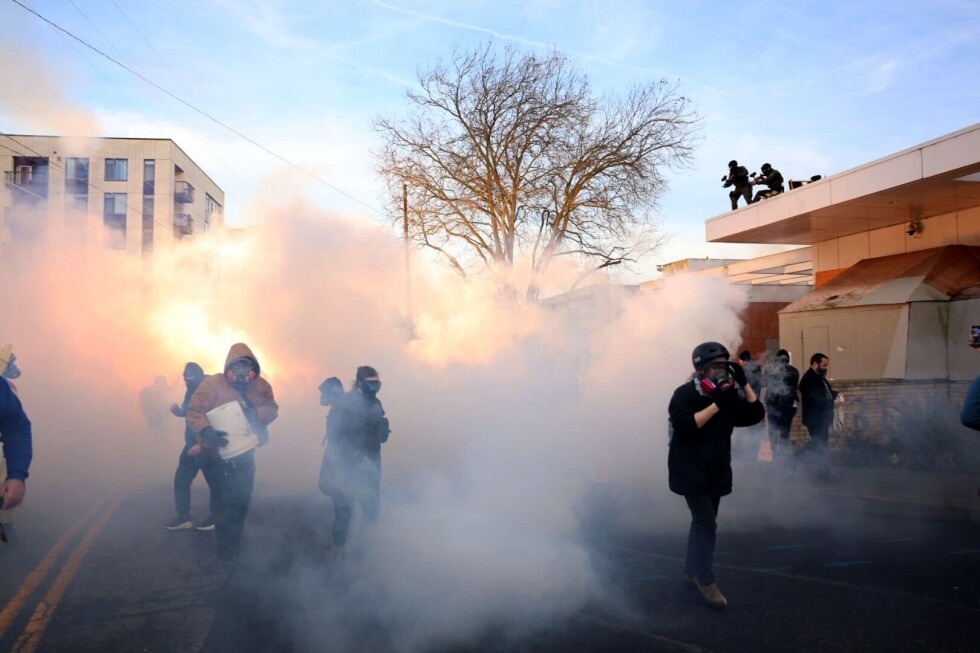
A federal judge in Oregon has temporarily restricted federal officers from using tear gas and other munitions against protesters at the U.S. Immigration and Customs Enforcement building in Portland. U.S. District Judge Michael Simon issued the 14-day restraining order on Tuesday following a lawsuit filed by the ACLU of Oregon on behalf of protesters and journalists. The ruling comes days after federal agents deployed chemical agents against demonstrators, including young children, at what local officials described as a peaceful gathering.
Judge Simon’s order prohibits federal officers from using chemical or projectile munitions on individuals who pose no imminent threat of physical harm or who are merely trespassing or refusing to disperse. The ruling also restricts officers from firing munitions at the head, neck, or torso unless legally justified in using deadly force. In his written decision, Simon stated that the nation “is now at a crossroads” and emphasized the judiciary’s responsibility to uphold constitutional rights.
ACLU Lawsuit Challenges Federal Response to Portland Protests
The lawsuit names the Department of Homeland Security, Secretary Kristi Noem, and President Donald Trump as defendants. According to the complaint, federal officers’ use of chemical munitions and excessive force constitutes retaliation against protesters that violates their First Amendment rights. The ACLU filed the suit on behalf of several plaintiffs, including protesters and freelance journalists who documented alleged abuses during demonstrations.
However, the Department of Homeland Security defended its officers’ actions. Spokesperson Tricia McLaughlin said federal officers “followed their training and used the minimum amount of force necessary to protect themselves, the public, and federal property.” She added that DHS is taking “appropriate and constitutional measures to uphold the rule of law and protect our officers and the public from dangerous rioters.”
Specific Incidents Detailed in Federal Court Filing
The complaint describes multiple instances where plaintiffs were allegedly targeted with tear gas and less-lethal munitions. In October, 84-year-old Laurie Eckman was hit in the head with a pepper ball during a peaceful march to the ICE building, causing bleeding and a concussion, according to the lawsuit. Her 83-year-old husband Richard Eckman, a Vietnam War veteran, also had a munition strike his walker during the incident.
Additionally, the complaint details experiences of Jack Dickinson, who frequently attends protests wearing a chicken costume. Federal officers allegedly shot munitions at his face respirator and back, and launched a tear-gas canister that burned a hole in his costume. Freelance journalists Hugo Rios and Mason Lake were similarly hit with pepper balls and tear gassed while clearly marked as press, the complaint states.


Courts Nationwide Weigh Tear Gas Restrictions
Cities across the country have witnessed a surge in demonstrations against the Trump administration’s immigration enforcement policies. Meanwhile, federal courts have issued conflicting rulings on the use of tear gas against protesters. Last month, a federal appeals court suspended a decision that prohibited federal officers from using tear gas or pepper spray against peaceful protesters in Minnesota who weren’t obstructing law enforcement.
In contrast, a federal judge in Chicago initially restricted federal agents from using riot control weapons such as tear gas and pepper balls unless necessary to prevent an immediate threat. An appeals court later halted that ruling, though a similar lawsuit brought by the state remains pending before the same judge. These legal battles highlight the ongoing tension between law enforcement tactics and constitutional protections for peaceful assembly.
Local Officials and Residents Demand Action
Portland Mayor Keith Wilson has strongly condemned the federal response to protests at the ICE building. After federal officers used chemical munitions on Saturday at what he described as a peaceful daytime protest, Wilson demanded that ICE leave the city. He wrote that the vast majority of those present “violated no laws, made no threat, and posed no danger to federal forces.”
Furthermore, the owner and residents of an affordable housing complex across from the ICE building filed a separate lawsuit seeking restrictions on tear gas use. Residents have been repeatedly exposed to chemical agents over the past year, according to the complaint. The demonstrations in Portland are part of a broader national movement, with protests occurring in cities like Minneapolis, where federal agents recently killed two individuals during immigration enforcement operations.
Judge Simon’s temporary restraining order remains in effect for 14 days, after which the court will likely consider whether to extend the restrictions or issue a preliminary injunction. The outcome of this case could influence similar legal challenges nationwide as courts grapple with balancing law enforcement authority and constitutional rights during protests.