

 9:06 am - March 23, 2026
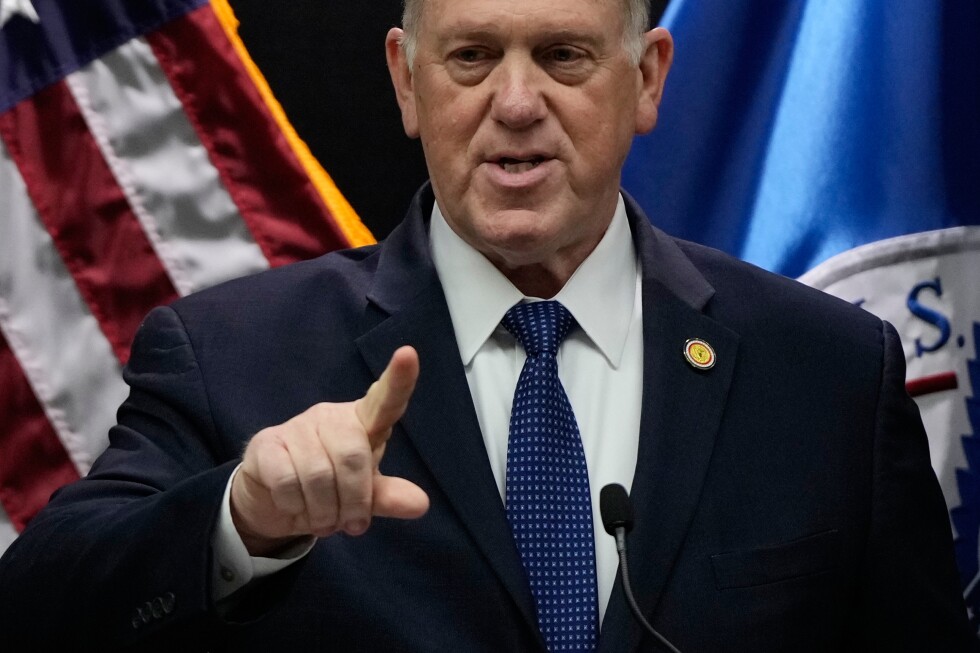
The Trump administration announced Wednesday that it will withdraw approximately 700 federal immigration enforcement officers from Minnesota following new cooperation agreements with state and local authorities. Border czar Tom Homan revealed the decision during a news conference in Minneapolis, marking a significant shift in the federal immigration enforcement strategy in the state.
According to Homan, roughly 3,000 federal officers are currently deployed in Minnesota as part of ongoing immigration operations. The reduction comes after state and local officials agreed to turn over arrested immigrants to federal authorities, eliminating the need for such a large federal presence in the region.
Why Immigration Enforcement Levels Are Changing in Minnesota
The decision to reduce federal immigration enforcement personnel represents a tactical shift in how the administration approaches cooperation with local jurisdictions. When local authorities agree to transfer custody of arrested immigrants directly to federal agents, fewer Immigration and Customs Enforcement officers need to conduct independent operations in communities.
Homan emphasized that the withdrawal demonstrates the administration’s preference for collaborative partnerships over resource-intensive independent enforcement actions. This approach potentially reduces operational costs while maintaining immigration enforcement capabilities through coordinated efforts with state and local law enforcement agencies.
Cooperation Between Federal and Local Authorities
The cooperation agreement marks a departure from previous tensions between federal immigration officials and some Minnesota jurisdictions. State and local officials have now committed to facilitating the transfer of immigrants in custody to federal authorities, according to statements made during the news conference.
However, specific details about which agencies signed cooperation agreements and the exact terms of these arrangements were not immediately disclosed. The administration has not confirmed whether all Minnesota counties and municipalities are participating or if the agreement covers specific jurisdictions.


Implications for Immigration Policy and Enforcement
The Minnesota announcement may serve as a model for similar arrangements in other states where the Trump administration has deployed substantial immigration enforcement resources. By securing local cooperation, federal authorities can potentially redirect personnel to areas where such partnerships have not been established.
Additionally, the reduction in federal officers could impact how immigration enforcement operations are conducted throughout Minnesota. With fewer dedicated federal agents, the success of enforcement efforts will depend heavily on the consistency and extent of local cooperation.
Context Behind Federal Immigration Operations
Minnesota has been home to significant immigrant communities, including one of the largest Somali populations in the United States. The deployment of 3,000 federal immigration enforcement officers represented one of the larger concentrations of such personnel in any single state.
Meanwhile, the Trump administration has made immigration enforcement a centerpiece of its policy agenda, frequently deploying federal agents to states and cities across the country. The Minnesota operation exemplified this approach before the cooperation agreement changed the enforcement landscape.
In contrast to sanctuary jurisdictions that limit cooperation with federal immigration authorities, Minnesota officials appear to have chosen a collaborative path. This decision reflects varying approaches that different states and localities take regarding immigration enforcement cooperation.
Authorities have not confirmed a specific timeline for when the 700 officers will be withdrawn from Minnesota or where they might be reassigned. The administration also has not released detailed metrics about immigration enforcement activities in the state or projections for how the reduced federal presence will affect future operations.


