

 9:15 am - March 23, 2026
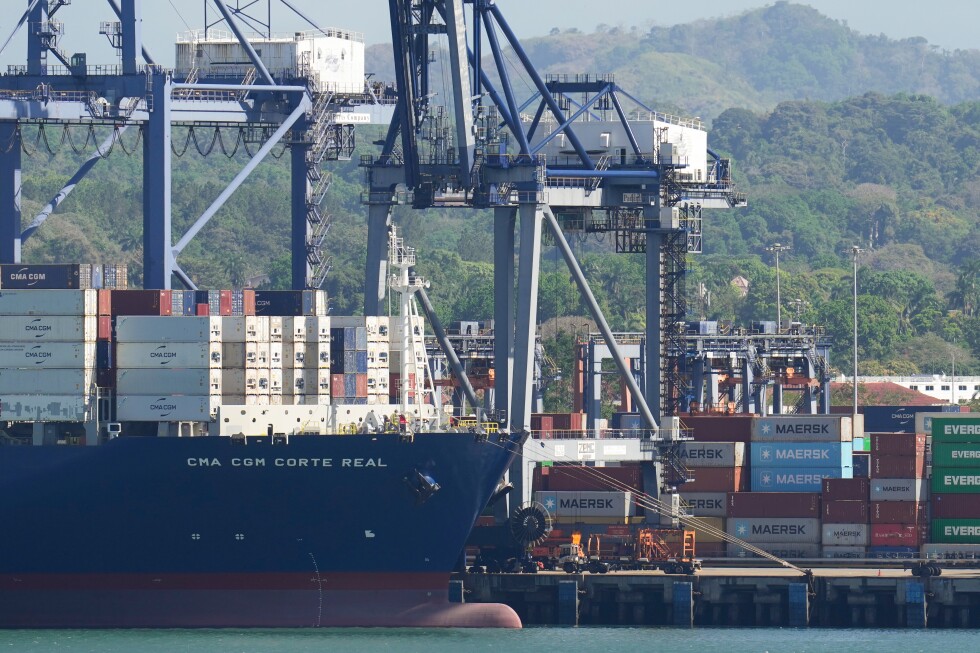
Hong Kong-based CK Hutchison Holdings announced Wednesday that its subsidiary has initiated arbitration proceedings against Panama following a Supreme Court ruling that deemed the company’s concession to operate Panama Canal ports unconstitutional. The move marks an escalation in a dispute involving geopolitical tensions between the United States and China over control of the strategically vital waterway. Panama Ports Company, the Hutchison subsidiary, filed the arbitration under International Chamber of Commerce rules on Tuesday, according to a company statement.
The arbitration filing comes after Panama’s Supreme Court ruled last week that the port concession was unconstitutional. Hutchison expressed strong disagreement with the decision, while China warned Panama would face severe consequences if it proceeded with enforcing the ruling. Panama’s president has sought to reassure citizens that port operations would continue uninterrupted despite the legal challenges.
Panama Canal Ports Dispute Enters International Arbitration Phase
The arbitration proceedings were initiated under Paris-based International Chamber of Commerce regulations, though the original concession agreement specified New York as the arbitration venue. Legal experts indicate the process could extend over several years, a timeline typical for investment-related concession contract disputes. The outcome remains highly uncertain given the complex interplay between international arbitration and domestic court authority.
According to Yueming Yan, a law professor at Chinese University of Hong Kong, while an arbitral tribunal’s ruling would be binding regarding potential government breaches and compensation, it cannot overturn Panama’s domestic court decisions. The professor noted that enforcement of any favorable ruling for CK Hutchison in Panamanian courts remains uncertain at this stage. Additionally, the location of future hearings has not been definitively established despite contractual specifications.
Legal Experts Outline Possible Outcomes
Albert So, chairman of Hong Kong Mediation and Arbitration Center, outlined potential scenarios depending on the arbitration outcome. If Hutchison prevails, the company might receive substantial compensation given the concession was renewed in 2021, or possibly regain some operational rights at the Panama Canal ports. However, if Panama wins and the concession’s unconstitutionality is confirmed, questions could arise about the legitimacy of the company’s nearly three-decade operation.
Robbert van Trooijen, founder of Panama-based consultancy Inception Partners, indicated that CK Hutchison has limited options to directly challenge Panama’s Supreme Court ruling. The legal battle has become intertwined with broader geopolitical tensions, particularly as the ruling advances U.S. objectives to limit Chinese influence over the canal connecting the Atlantic and Pacific oceans. Meanwhile, Panamanian authorities have not responded to requests for comment on the arbitration proceedings.


China Issues Strong Warning to Panama
Beijing’s office overseeing Hong Kong affairs released a statement Tuesday night condemning the court decision, alleging Panama succumbed to pressure from “hegemonic powers.” Without naming specific countries, the office referenced politicians who expressed encouragement about the ruling, an apparent reference to U.S. Secretary of State Marco Rubio. The statement warned that Panama would “pay a heavy price both politically and economically” if authorities persist with the ruling.
China Foreign Ministry spokesperson Lin Jian reinforced this position Wednesday, pledging to “firmly protect the legitimate and lawful rights and interests” of Chinese companies. The spokesperson questioned who truly seeks to monopolize the canal and undermine international law. The strong rhetoric reflects China’s concern about losing strategic access to the vital maritime route through its business interests.
Complications for Planned Asset Sale
The court ruling complicates Hutchison’s plan to sell its port assets in dozens of countries to a consortium that includes U.S. investment firm BlackRock Inc. The planned sale has already encountered obstacles due to U.S.-China tensions. President Donald Trump initially welcomed the deal after repeatedly alleging Chinese interference with the canal, but the transaction subsequently drew scrutiny from Chinese anti-monopoly authorities, apparently angering Beijing.
Panama Ports Company stated Wednesday that it pursued arbitration after Panama’s government repeatedly disregarded requests for consultation and clarification. The company seeks damages and necessary relief based on available data. Furthermore, the company reported that despite the court ruling not yet being effective, state authorities conducted unexpected site visits and demanded unrestricted access to physical facilities, commercial information, intellectual property, and employees.
Hong Kong Company Navigates Geopolitical Crossfire
CK Hutchison’s subsidiary has operated ports at both ends of the Panama Canal since 1997. The company’s predicament illustrates the challenges Hong Kong business elites face balancing Beijing’s expectations of national loyalty amid escalating U.S.-China competition. CK Hutchison is owned by the family of Hong Kong’s wealthiest individual, Li Ka-shing, adding another layer of political sensitivity to the dispute.
Last July, the company announced it was considering adding a Chinese investor as a significant consortium member for the asset sale, a move some analysts interpreted as an attempt to satisfy Beijing. However, no further details have emerged since that announcement. The consortium currently includes BlackRock subsidiary Global Infrastructure Partners and Terminal Investment Limited, chaired by Italian shipping magnate Diego Aponte, whose family reportedly maintains long-standing ties with the Li family.
The arbitration proceedings are expected to unfold over an extended period, potentially lasting several years according to legal experts. The ultimate resolution remains uncertain as the dispute involves overlapping jurisdictions between international arbitration bodies and Panama’s domestic legal system, all while broader U.S.-China geopolitical tensions continue to intensify around control of the strategically important Panama Canal.