

 10:28 am - March 23, 2026
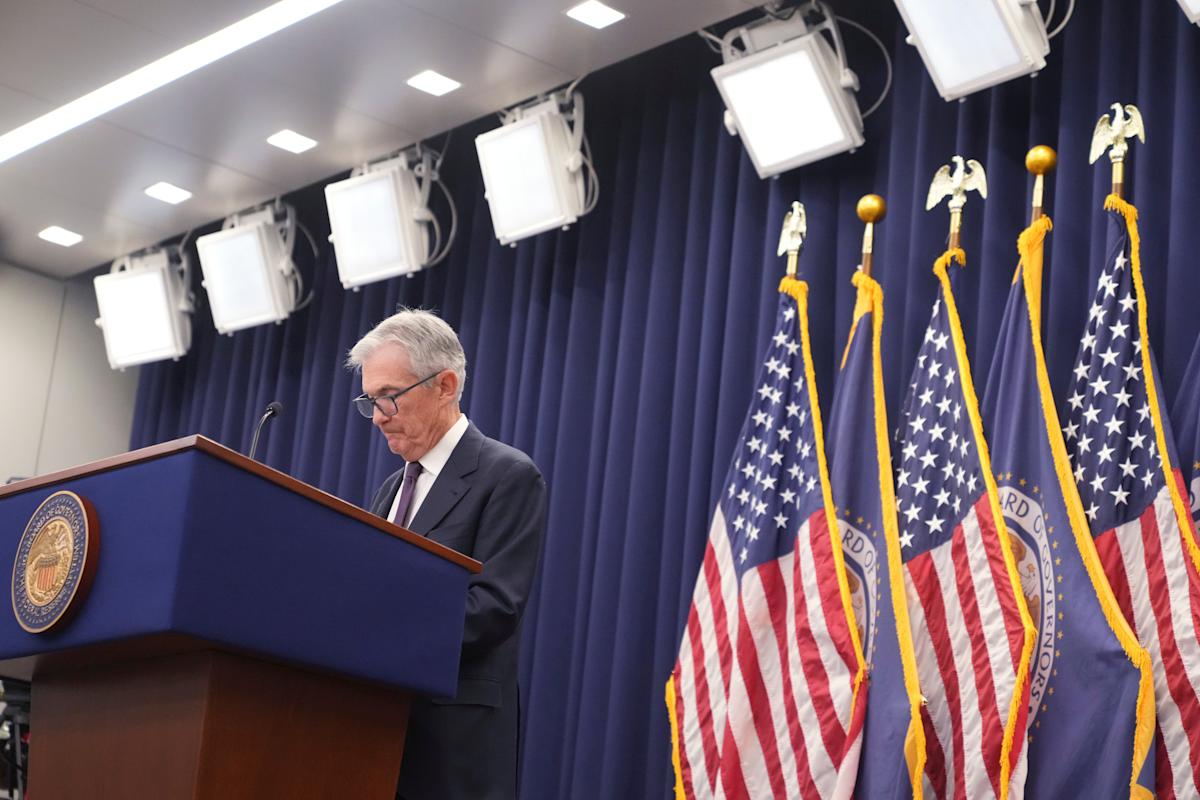
The Federal Reserve announced a pause in interest rate adjustments at its January 28 meeting after implementing three rate cuts in 2025. The central bank is now taking a wait-and-see approach as it evaluates economic conditions, including labor market performance, inflation trends, and international developments. According to federal funds futures trading, market expectations point to the next potential interest rate cut occurring no sooner than June.
This pause in Federal Reserve policy comes as policymakers assess the overall economic outlook. Scott Anderson, chief U.S. economist for BMO, noted that resilient consumer spending continues to drive economic growth. Additionally, recent inflation reports have aligned with forecasts, while goods prices have shown minimal tariff impact in recent months.
Impact on Savings and Deposit Accounts
The interest rate pause means deposit account earnings will remain modest throughout 2026. National average rates for checking accounts have barely moved, staying at 0.07%. Meanwhile, traditional savings accounts offer only marginally better returns at 0.39%.
However, consumers can still find competitive yields by shopping around for high-yield savings accounts. Brian Walsh, head of advice and planning at SoFi, emphasized that uncertainty should not deter action on financial goals. He recommended that consumers maximize yields while minimizing risk through high-yield savings accounts and money market funds, which currently offer rates in the upper-3% to 4% range.
Money Market and CD Rates Hold Steady
Money market accounts continue to offer low returns, with national averages remaining at 0.56%. In contrast, high-yield money market accounts still provide yields approaching 4% for those willing to search for better options. Certificate of deposit rates have declined slightly, with 12-month CDs averaging 1.61%, though competitive rates remain available for consumers who compare offers online.
Federal Reserve Pause Affects Mortgage Rates Indirectly
Mortgage rates have declined more than three-quarters of a point compared to one year ago, according to data from Freddie Mac. These rates primarily follow the bond market, particularly the 10-year Treasury note, rather than responding directly to Federal Reserve policy changes. The 10-year Treasury yield has remained above 4% since early December.


Industry analysts from the Mortgage Bankers Association and Fannie Mae predict mortgage rates will hover near 6% through 2027. Anderson suggested that stable inflation could potentially open the door for further Federal Reserve rate cuts in 2026, though timing remains uncertain.
Credit Card and Personal Loan Rates
Personal loan interest rates have finally dropped below 12%, settling near 11.5% after remaining elevated for nearly two years. Advertised personal loan rates from competitive lenders now approach 7% or lower for qualified borrowers.
Credit card interest rates continue to burden consumers, having climbed from approximately 15% in 2021 to over 21% in 2025. Surprisingly, these rates have not responded to recent Federal Reserve rate cuts or the declining prime rate. Walsh recommended that consumers with credit card debt develop consolidation strategies using personal loans, home equity lines of credit, or other lower-interest options.
Investment Considerations During Rate Stability
Stock market performance responds to multiple factors beyond interest rate policy, including broader economic trends and corporate profitability. Investors managing portfolios in the current environment should monitor economic indicators alongside Federal Reserve actions. Conservative investors may benefit from focusing on high-quality stocks with proven performance across various economic cycles.
The Federal Reserve’s next policy meeting will provide additional clarity on the timing of future rate adjustments, though officials have not confirmed specific dates for potential cuts. Market participants will continue monitoring economic data releases and inflation reports to gauge when the central bank might resume lowering interest rates.


