

 10:24 am - March 23, 2026
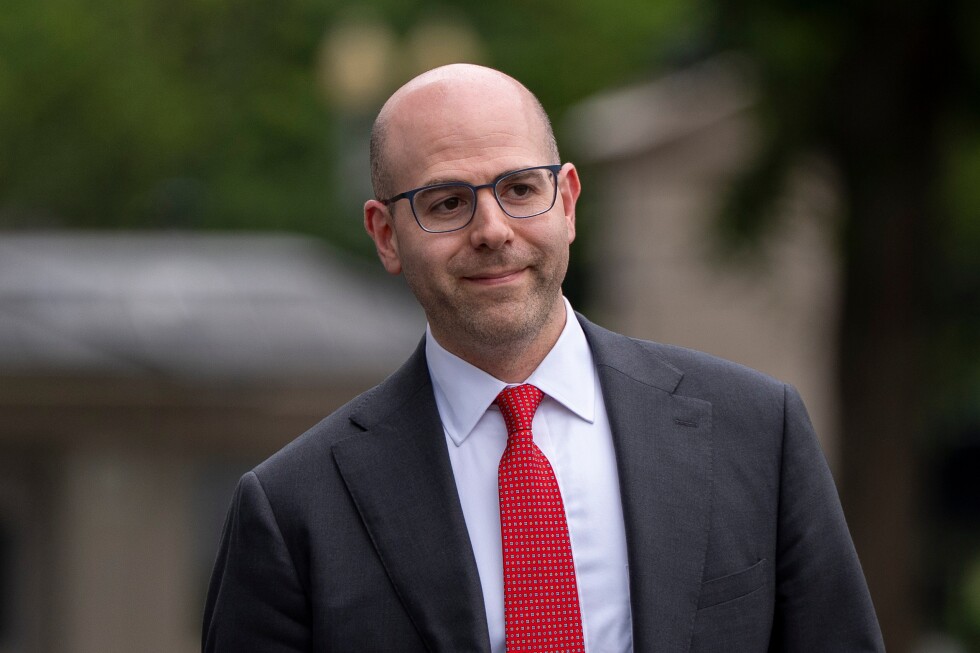
Federal Reserve governor Stephen Miran has resigned from his role as chair of the White House’s Council of Economic Advisers, concluding an unusual dual arrangement that sparked controversy in Washington. White House spokesman Kush Desai confirmed the Federal Reserve governor resignation late Tuesday, fulfilling a pledge Miran made during his confirmation process last year.
President Donald Trump appointed Miran to the Fed’s seven-member board of governors in September after Adriana Kugler, appointed by President Joe Biden, abruptly resigned. Miran completed Kugler’s term, which ended January 31, but can remain on the Federal Reserve board until the Senate confirms a replacement.
Unusual Dual Role Raises Questions
The arrangement allowing Miran to maintain both positions simultaneously was highly uncommon in modern Washington. While previous presidents have appointed White House aides to Federal Reserve positions, those officials have typically resigned from their administrative roles before joining the central bank for decades.
Instead of fully stepping down, Miran took an unpaid leave of absence from the CEA when joining the Fed. This approach raised eyebrows among ethics experts and political observers concerned about potential conflicts between the Fed’s nonpartisan mandate and White House policy objectives.
Federal Reserve Independence Concerns
Fed governors hold significant power, voting on critical interest rate decisions and bank regulatory policy that affect the entire U.S. economy. The central bank’s independence from political influence has long been considered essential to its credibility and effectiveness in managing monetary policy.
According to Desai’s statement, Miran’s resignation honors the commitment he made to the Senate during confirmation hearings. Miran had promised lawmakers he would step down from the CEA if he remained on the Federal Reserve board beyond January 31.


Implications for Federal Reserve Leadership Changes
The resignation comes amid broader personnel changes at the Federal Reserve. Trump has nominated Kevin Warsh, a former Fed official, to replace current Fed chair Jerome Powell when his term leading the central bank ends May 15.
However, Powell could potentially remain on the board of governors after his chairmanship expires due to a structural quirk in the Fed’s organization. This scenario would deny Trump the opportunity to fill another board seat, complicating the administration’s plans.
Potential Succession Scenario
Many Washington observers anticipate that Warsh will take Miran’s board seat and then be elevated to replace Powell in May. Additionally, this sequence would allow for a smoother transition at the top of the central bank while maintaining continuity on monetary policy.
Meanwhile, authorities have not confirmed whether this predicted scenario will actually unfold. The White House has not publicly detailed its strategy for managing the Federal Reserve governor appointments and leadership transition.
In contrast to typical Fed appointments, the recent personnel moves have drawn heightened scrutiny from financial markets and policy experts. The central bank’s decisions on interest rates and economic policy carry enormous weight for businesses, consumers, and global markets.
The Senate must confirm any new Federal Reserve governor appointments before they can officially take their seats. The timing of Warsh’s confirmation process and whether Powell will vacate his board seat remain uncertain as May approaches.