

 7:45 am - March 23, 2026
In an old warehouse turned innovation hub in King’s Cross, the air buzzes—not with machines, but with ideas. I recently witnessed a Berlin-based firm present an AI technology for urban solar grid optimization at an investor demo day. The program felt crisp, sleek, and highly adaptable. The entrepreneur didn’t admit it openly, but you could tell—this was not just a business plan; it was a climate survival tool.
Over the past several years, Europe has quietly become a climate tech superpower. In 2023 alone, more than $20 billion went into climate companies across the continent—a record that signified not just ambition, but alignment. Unlike flash-in-the-pan trends, this wasn’t about hype. It was about policy, pressure, and persistence.
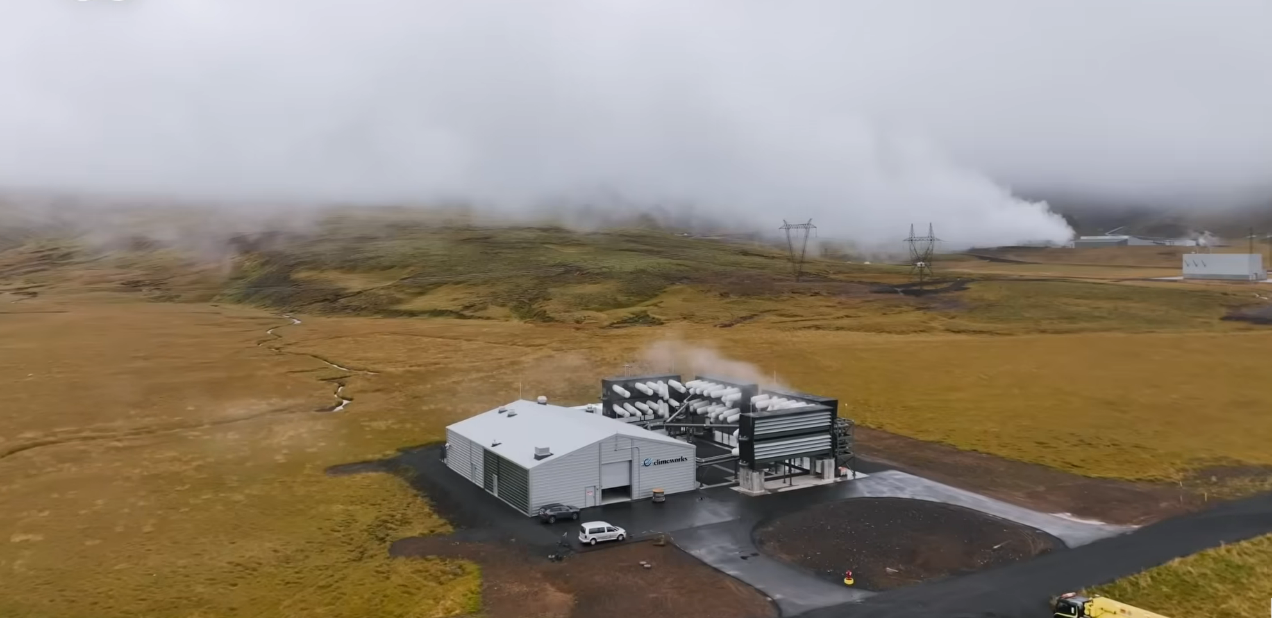
In the context of energy security and economic recovery, climate tech has emerged as a fundamental engine of innovation. From Paris to Prague, founders are inventing software that manages emissions in real time, technology that absorbs carbon from the sky, and platforms that follow sustainable supply chains from soil to supermarket.
London is unique. With more than 400 climate companies and a well-established finance ecosystem, the UK capital has developed into a major hub for climate innovation. Startups here have benefited from a particularly supportive ecosystem of accelerators, climate-focused VC funds, and government-backed trade missions. It’s no surprise that over half of all European dedicated climate tech funds were raised by London-based startups.
| Category | Details |
|---|---|
| 2023 Investment Peak | Over $20 billion raised in European climate tech |
| 2025–2026 Trends | Slower early-stage funding, record Series A rounds, surge in AI-driven climate startups |
| Key Sectors | Energy transition, mobility, SaaS, data centers, adaptation tech |
| Top Regions | UK leads in startup density and funding rounds; London is Europe’s largest hub |
| Leading Investors | Japan-linked funds (€8.6B), Lightrock ($900M), 2150 ($312M) |
| Core Challenge | $13.5B Series B funding gap – the “missing middle” for scaling startups |
| EU Policy Drivers | Net Zero Industry Act, Clean Industrial Deal, NextGenerationEU |
| Strategic Advantage | Advanced R&D, policy alignment, AI-enabled infrastructure integration |
Even so, a structural defect is concealed by this momentum. Between early success and full-scale deployment lies a particularly hazardous valley—the Series B gap. European companies confront a $13.5 billion gap at this vital funding stage, sometimes forcing potential ventures to languish or seek cash outside. For an area with such a strong basis, that discrepancy feels both irritating and fixable.
In early 2025, venture investment momentarily declined. However, as 2026 progresses, investment is increasing once more, especially in infrastructure-ready solutions and AI-integrated climate tools. Large rounds for businesses like Octopus Energy and CuspAI have suggested fresh optimism, backed by a combination of EU regulatory incentives and cross-border interest, especially from Japanese investors seeking supply chain resilience.
One moment at a panel in Amsterdam in November stuck with me. A speaker from a mobility startup demonstrated how her device, a smart fleet battery changer, lowered emissions by 38% in pilot cities. When asked about her toughest hurdle, she didn’t cite engineering or marketing. “Series B,” she said simply.


That remained with me. Numerous of these alternatives are already effective. All they need is space to expand.
By proposing the Net Zero Industry Act and Clean Industrial Deal, the EU has delivered a tremendously effective signal to innovators and lenders alike. The goal is clear: develop Europe’s clean tech backbone using domestic technologies. By 2030, at least 40% of the continent’s clean tech needs—from solar to carbon capture—must be met by indigenous firms.
Through effective public-private partnerships, the continent is transforming industrial policy into a climate action tool. Startups experiencing capital-intensive transformations would especially benefit from these mechanisms. Paired with AI and smart infrastructure, they offer a highly efficient route from prototype to impact.
AI’s influence in this ecosystem cannot be emphasized. Startups utilizing AI to accelerate climate goals raised $6 billion in 2024. Not only did that investment support software, but it also assisted with supply chain optimization, flood risk modeling, and predictive maintenance for wind turbines and solar farms. AI has become the digital nervous system of climate tech, weaving information through energy grids, data centers, and urban planning platforms.
However, AI has its own energy requirements. In response, some entrepreneurs are innovating at the infrastructural level—developing advanced cooling systems, building energy-aware code, and rethinking the layout of data centers altogether. This is not simply climate tech; it’s climate tech building smarter climate tech.
Integration is Europe’s strategic advantage. Startups here are increasingly focused on whole-systems thinking—connecting energy storage to transport, or coupling agricultural platforms with satellite-powered land monitoring. Rather than pursuing isolated successes, they’re creating interoperable solutions that are incredibly resilient and suited for real-world complexity.
By utilizing advanced analytics, policy assistance, and deep industrial know-how, the European climate tech sector is promoting itself as not just reactive, but predictive. It’s not simply responding to crisis—it’s designing past it.
Foreign capital is responding correspondingly. Since 2019, Japan has invested more than €8.6 billion in climate-related projects in Europe, and that amount is rising. The reasoning is remarkably similar to that of Europe: investing in climate resilience now boosts autonomy and industry.
The momentum seems sustainable in the long run. More funding is coming in, more founders are creating, and more laws are coming together to focus on long-term change. The Series B gap remains a concern, but there’s increased recognition—and targeted funds—to overcome it.
In the next years, the businesses being supported now may become the foundational players in a redefined economy. Not only tech unicorns, but infrastructural builders. The kind that light up towns, purify air, and keep crops growing.
Europe isn’t simply chasing a green future. One round, one rule, and one robust concept at a time, it’s building the foundation for it.