

 10:23 am - March 23, 2026
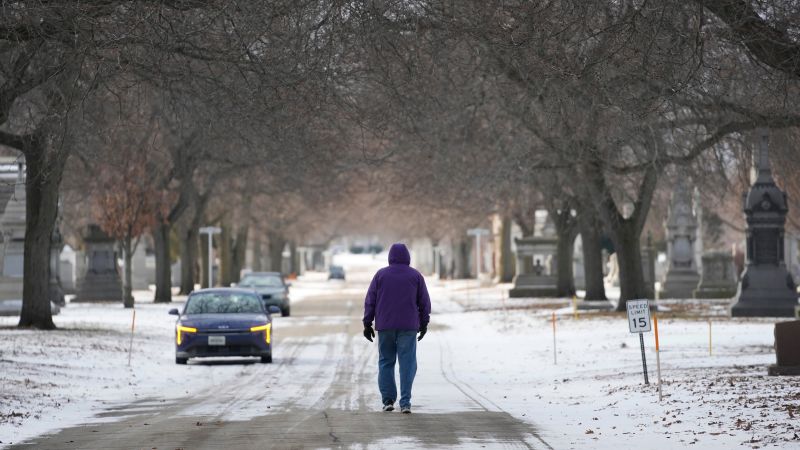
Frigid temperatures, massive snowfall and a deadly ice storm impacting regions east of the Rockies are raising questions about how extreme winter weather fits into the broader context of climate change and global warming. Millions of Americans are bracing for a prolonged period of Arctic cold, even as scientists confirm that winters overall are becoming warmer across the United States. The current severe weather event demonstrates that climate change does not eliminate winter extremes, and may even intensify certain conditions when atmospheric patterns align.
According to meteorologists, bone-chilling cold is becoming less common and less severe as the planet warms. Winter is the fastest-warming season in the United States, and warm temperature records have been outnumbering cold records in the Lower 48 states so far this winter. Many western states are experiencing their warmest winter on record, with ski areas in Colorado and other traditional snow destinations starved for precipitation.
How Climate Change Affects Winter Temperature Extremes
Bernadette Woods Placky, chief meteorologist at Climate Central, said that relatively few cold temperature records have been set compared to warm records out West. However, she acknowledged that the current weather is unusually cold, describing it as more reminiscent of winters the Midwest and Northeast experienced a few decades ago. The contrast highlights the regional variability of climate change impacts across North America.
Climate Central researchers examined trends in the coldest temperature of the year across U.S. cities, revealing rapid increases linked to climate change. In Minneapolis, the lowest temperature of the year has increased by approximately 12 degrees Fahrenheit since 1970, according to the research. Similarly, Cleveland has seen its coldest annual temperature rise by 11.2 degrees during the same period, demonstrating that winters have not been reaching the extreme lows they once did.
The Role of the Polar Vortex in Severe Winter Weather
Meanwhile, some experts suggest that climate change itself may be contributing to the current winter storm and Arctic outbreak. Jennifer Francis, a researcher at the Woodwell Climate Research Center who studies changes in the polar vortex, said she sees evidence of this connection in the current storm. She emphasized that while global warming causes warmer winters overall, severe winter weather events remain possible and perhaps even more likely due to other consequences of human-caused climate change.
The cold air invading from the Arctic arrives courtesy of the polar vortex, as its frigid lobes rotate around a main circulation near Hudson Bay in Canada. The polar vortex is a circular wall of wind that typically confines frigid air to the Arctic region. When it stretches southward, it can bring Arctic air into the mid-latitudes, which is occurring now with a significant dip in the jet stream across the Central and Eastern states.


Additionally, Judah Cohen, a research scientist at MIT, explained that the stretching of the polar vortex is tied partly to sea ice loss in the Arctic from human-caused climate change. He noted that above-average snowfall in parts of Siberia increases the likelihood of such stretching events, which is also influenced by reduced sea ice in the Barents and Kara Seas. Cohen emphasized a strong relationship between stretched vortex events and extreme winter weather in the United States.
Climate Change and Increased Winter Weather Variability
During the period of rapid Arctic climate change, the polar vortex has become more stretched and variable, raising the risk of severe winter weather in mid-latitude regions including the United States, Europe and parts of Asia. Cohen stated that on the southern flanks of the polar vortex, there has been an increase in severe winter weather where the stretching occurs. While he stopped short of attributing any single weather event directly to climate change, he indicated that climate change has “loaded the dice” for such occurrences.
Scientists will continue monitoring whether the current cold snap breaks all-time temperature records and how long the Arctic outbreak persists. The event underscores the complexity of climate change impacts, where overall warming trends can coexist with occasional extreme cold events under certain atmospheric conditions.


