

 11:40 am - March 23, 2026
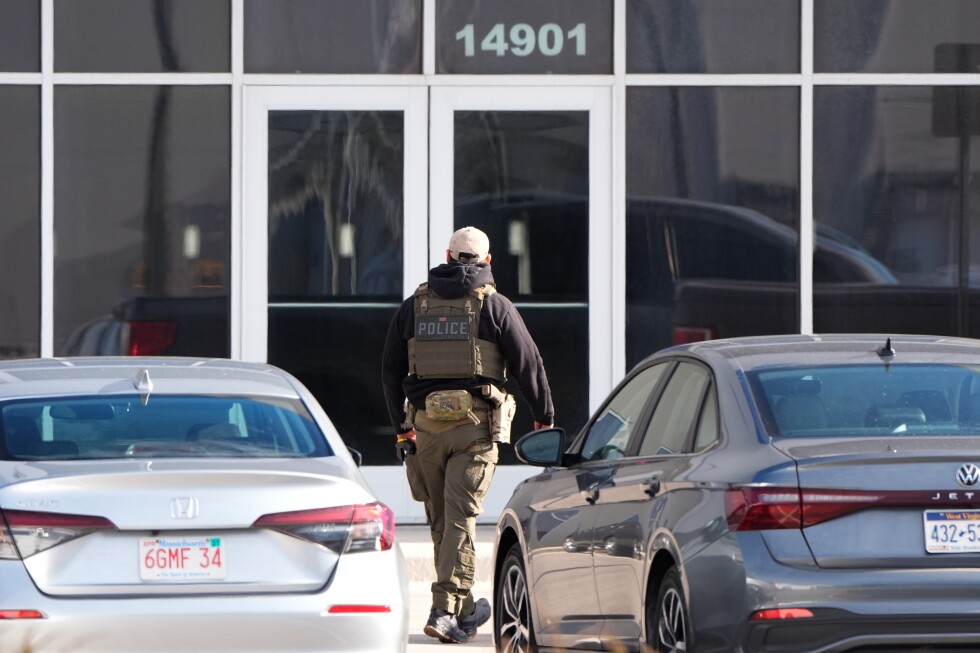
Federal immigration officials are actively scouting and purchasing warehouse facilities across the United States to convert into ICE detention centers, sparking resistance from local communities and elected officials. Immigration and Customs Enforcement has already spent hundreds of millions of dollars acquiring properties in multiple states, though the agency has provided limited details about its expansion plans. ICE stated the facilities would be “well structured detention facilities” rather than simple warehouses, emphasizing the need to expand detention space amid increased operations.
The acquisition spree includes confirmed purchases in Arizona, Maryland, and Pennsylvania, with ICE paying $70 million for a warehouse in Surprise, Arizona, $102.4 million for a facility northwest of Baltimore, and $87.4 million for a warehouse in Berks County, Pennsylvania. According to deeds filed in recent weeks, these transactions occurred without prior notification to local governments in many cases. Meanwhile, federal officials have been spotted touring potential sites in Florida, Indiana, Minnesota, Mississippi, Missouri, New Hampshire, New Jersey, New York, Texas, Utah, and Virginia.
Local Opposition to ICE Detention Facilities Grows
Communities nationwide are mobilizing against the proposed ICE detention centers, with varying degrees of success. In Kansas City, Missouri, the city council passed a five-year moratorium on non-city-run detention facilities on the same day ICE officials toured a nearly one-million-square-foot warehouse. County lawmaker Manny Abarca, who was initially threatened with trespassing when he arrived at the site, said ICE deputy field office director Shawn Byers indicated they were scouting for a 7,500-bed facility.
Similarly, warehouse owners in Minnesota withdrew from potential deals amid public pressure. In Woodbury and Shakopee, property owners decided against selling or leasing to the federal government after constituents voiced concerns. Mayor Anne Burt confirmed ICE had expressed interest in a Woodbury warehouse but the sale would not proceed.
Cities Confront Limited Legal Authority
Despite local opposition, municipalities are discovering their limited power to block federal facilities. Orlando Mayor Buddy Dyer said the city was advised it has no legal options to halt a possible ICE facility after officials toured a 439,945-square-foot industrial warehouse. City attorney Mayanne Downs stated that “ICE is immune from any local regulation that interferes in any way with its federal mandate.”
Washington County, Maryland officials echoed this sentiment in a Facebook post, acknowledging they cannot legally restrict the federal government’s ability to proceed with a detention facility. The Department of Homeland Security sent a letter indicating the site could include cafeterias, bathrooms, health care spaces, tents, and guard shacks. Federal projects generally are not subject to local zoning regulations when they conflict with federal mandates.


Economic and Infrastructure Concerns Mount
Local officials cite multiple concerns beyond immigration policy itself. In Merrimack, New Hampshire, council members fear federal acquisition of a commercial warehouse would undermine the city’s property tax base by more than $500,000 annually, shifting costs to other property owners. The town council expressed opposition in a January letter to Homeland Security Secretary Kristi Noem without receiving a direct response.
Democratic state Representative Rosemarie Rung of Merrimack said constituents worry about strain on local emergency services and public infrastructure. The ACLU of New Hampshire reported that public records show ICE has consulted with state historic preservation officials about development of a 43-acre site. Additionally, Rung suggested the lack of federal communication may be deliberate to avoid protests.
Some Communities Successfully Resist
However, certain communities have managed to derail ICE plans through coordinated efforts. Oklahoma City Mayor David Holt announced Thursday that the Department of Homeland Security is no longer in talks to acquire a warehouse after the city council urged federal officials to participate in the city’s permitting process. Property owners informed Holt they were no longer engaged with Homeland Security about a potential acquisition or lease.
In Salt Lake City, Mayor Erin Mendenhall expressed gratitude that warehouse owners from the Ritchie Group announced they would not sell or lease property to the federal government. The announcement came after Mendenhall sent a letter outlining occupancy permit requirements. Nevertheless, she emphasized that “such a facility has no place in our city” regardless of zoning considerations.
Federal Agencies Maintain Operational Secrecy
The Department of Homeland Security has offered minimal information even to directly affected municipalities. In Roxbury, New Jersey, township manager J.J. Murphy said the township has received no information from federal officials despite repeated emails after spotting ICE officials touring a warehouse. The council passed a resolution opposing an ICE facility and noted township zoning regulations prohibit using the warehouse as a detention facility.
According to the Department of Homeland Security’s statement to New Hampshire’s congressional delegation, ICE is “reviewing its detention structure and acquisition strategy to address a historic operational tempo and increasing arrests.” The department indicated it had no new detention centers to announce at this time. Nevertheless, the agency’s nationwide property searches continue across at least a dozen states.
Federal officials have not provided timelines for when facilities might become operational or confirmed specific capacity requirements for individual sites. Local governments continue monitoring developments while exploring available legal and regulatory options to influence or block the projects in their jurisdictions.


