

 9:06 am - March 23, 2026
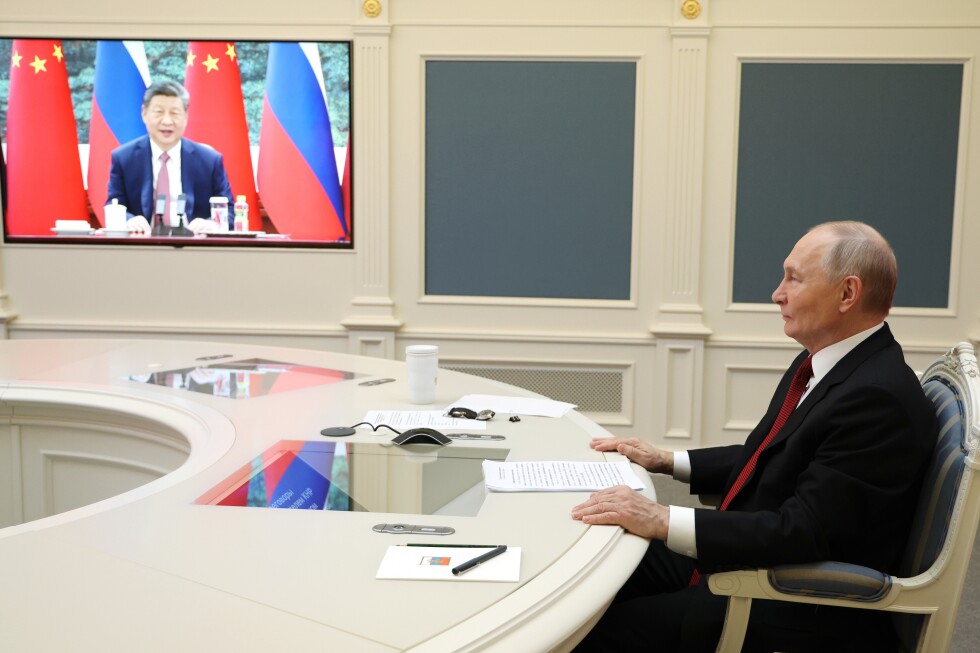
Russian President Vladimir Putin and Chinese leader Xi Jinping held a video call Wednesday to discuss expanding Russia-China economic cooperation and their mutual relations with the United States. During the conversation, Putin accepted Xi’s invitation to visit China twice in 2025, underscoring the deepening partnership between Moscow and Beijing.
The call comes as Western leaders have sought to strengthen ties with China despite ongoing tensions over Beijing’s support for Russia during the Ukraine conflict. European nations have pressed China for years to end assistance to Moscow, even as Beijing has become Russia’s top trading partner amid Western economic sanctions.
Russia-China Economic Cooperation Deepens
Putin emphasized the importance of the bilateral relationship during opening remarks broadcast by Russian state television. He pledged firm support for shared efforts to ensure sovereignty, security, and the right to choose independent development paths for both nations.
The timing of the video call is significant, as many American allies have been exploring new opportunities with China following disputes with President Donald Trump over tariffs. Additionally, Trump’s controversial demands regarding Greenland have strained relations with NATO ally Denmark, prompting European leaders to seek alternative partnerships.
According to Russian translation of Xi’s remarks, the Chinese leader said the two countries would discuss bilateral development plans and exchange views on major strategic issues. He emphasized the need to use what he called a “historic opportunity” to deepen strategic cooperation between Moscow and Beijing.
Strategic Energy and Technology Partnerships
Putin praised the strategic energy ties between the two nations, highlighting cooperation on peaceful nuclear energy use and high-tech projects. He specifically commended industrial collaboration and space research initiatives, along with China’s decision to allow visa-free entry for Russians.


Xi noted that Russia-China trade and economic exchanges are progressing steadily, according to Chinese state broadcaster CCTV. The Chinese leader called for close high-level exchanges and pragmatic cooperation to ensure further development of bilateral ties.
Putin’s foreign affairs adviser Yuri Ushakov briefed reporters after the call, confirming that Putin will visit China in the first half of 2025. However, the Russian leader will also attend the Asia-Pacific Economic Cooperation summit in Shenzhen this November, marking his second visit to the country.
Aligned Views on US Relations
The two leaders exchanged perspectives on their countries’ relations with the United States, with Ushakov stating their views “practically coincide.” This includes their assessment of President Trump’s newly proposed Board of Peace initiative, which both Russia and China were invited to join.
Putin had previously thanked Trump for the Board of Peace invitation and offered to allocate $1 billion from frozen Russian assets in the United States to help rebuild Gaza. Meanwhile, China has maintained its commitment to upholding the international system with the United Nations at its core, regardless of changing global dynamics.
Ushakov indicated that both Putin and Xi believe contacts with Trump’s administration could present new opportunities. The Chinese leader reportedly supported ongoing talks between Russian, Ukrainian, and U.S. negotiators in Abu Dhabi, where a second round began Wednesday.
During the call, Putin raised concerns about Washington’s silence regarding his proposal for a one-year extension of the U.S.-Russian New START nuclear arms treaty, which expires Thursday. The Russian president emphasized that Moscow would act in a balanced and responsible manner while remaining open to negotiations on strategic stability.
Putin is expected to visit China within the first six months of 2025, though specific dates have not been confirmed by either government. The leaders also discussed tensions involving Iran and the situations in Venezuela and Cuba, with both expressing support for maintaining cooperation levels with Caracas and Havana.