

 10:48 am - March 23, 2026
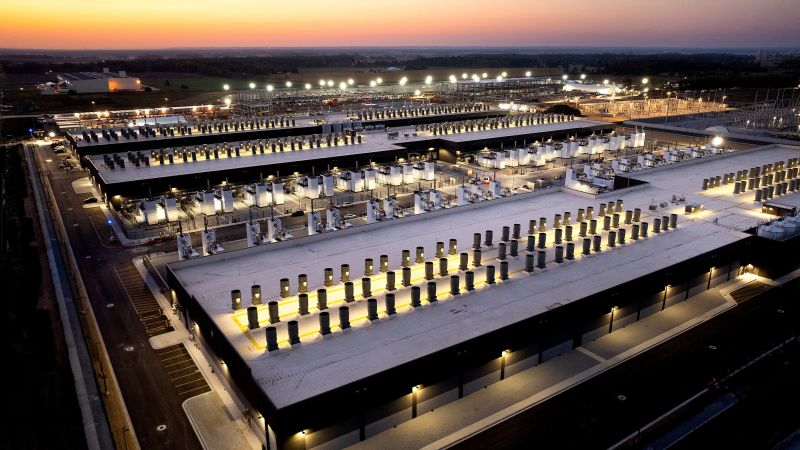
As electricity bills surge across the United States due to growing data center electricity consumption, major technology companies are pledging to shoulder more of the energy costs their power-hungry facilities demand. Seven tech giants recently responded to a Senate investigation by promising to pay for the electricity they consume, aiming to prevent residential customers from bearing the financial burden of the data center boom.
The letters from Google, Amazon, Microsoft, Meta, Coreweave, Equinix and Digital Realty came in response to inquiries from Senators Elizabeth Warren, Richard Blumenthal and Chris Van Hollen. The lawmakers sought information about how many data centers these companies operate, their power requirements and plans for procuring and paying for electricity.
Rising Data Center Electricity Costs Impact Consumers
In mid-Atlantic states particularly, rapid data center expansion combined with insufficient new power generation has triggered sharp electricity bill increases in Maryland, Virginia, New Jersey and the District of Columbia. According to a 2025 Bloomberg News analysis, certain areas where data centers were constructed experienced electricity cost increases as high as 267% compared to five years ago.
The surge in data center electricity consumption has created significant financial pressure on everyday consumers. The electricity crunch has forced households to pay more for power as utilities struggle to meet the demands of both residential customers and massive tech facilities.
Tech Companies Make Payment Commitments
Google stated in its letter that it would pay for all electricity used to power its data center fleet and adjust how it manages energy use during peak grid demand periods. Additionally, the company committed to signing binding contracts ensuring payment for power and new infrastructure directly related to its growth.
Similarly, Meta said it pays for the full costs of energy used by its data centers while funding new and upgraded local infrastructure. Ryan Daniels, a Meta spokesperson, told CNN the company has been committed to these principles for many years and welcomes similar pushes from other companies. Microsoft made comparable commitments last week.


Several tech companies also indicated support for being classified as a different type of electricity ratepayer that would be charged higher rates than residents or smaller commercial customers. However, representatives from Digital Realty and Equinix told CNN they looked forward to collaborations that would facilitate positive change.
Lack of Transparency Raises Concerns
Despite these pledges, the letters provided few specifics on implementation. Warren said in a statement that the commitments do not explain how big tech companies, rather than American consumers, will bear the full cost of data centers.
According to Ari Peskoe, director of the Harvard Law School’s electricity law initiative, secret contracts between utilities and data centers make it extremely difficult to determine what tech companies actually pay for power. The devil is really in the details, and consumers lack protection under the current system, Peskoe told CNN.
Warren and the other senators argued that many unknowns remain, including how much companies contribute toward the massive electrical infrastructure connecting data centers to the grid. Warren stated that if companies are serious about paying their fair share, they should be more transparent about data center operations instead of forcing local communities to sign non-disclosure agreements.
Amazon wrote that the company would pay the full cost of electricity used and make substantial investments in new generation and transmission infrastructure benefiting all ratepayers. However, the letter did not detail exactly how Amazon would determine transmission infrastructure payments.
Federal Action Remains Uncertain
Currently, no federal regulations exist to ensure data center companies pay higher electricity rates, though a patchwork of states is attempting to adopt such rules. Van Hollen, whose home state of Maryland has seen electricity bill increases linked to Virginia’s data center buildout, has introduced federal legislation requiring companies to cover their energy costs.
Meanwhile, the Trump administration has focused on expediting data center construction, even bypassing state and local laws meant to discourage growth. However, public outcry over costs appears to have reached the White House. Last week, President Donald Trump acknowledged public concern over high electricity prices and teased an announcement from Microsoft about covering electricity costs.
On Friday, a group of northeastern governors and the Trump administration announced they were asking PJM, the country’s largest electrical grid operator, to hold an emergency power auction. The auction would focus on securing 15-year contracts with big tech companies to pay for data center power costs, essentially ensuring major companies fund their future power needs.
While Peskoe acknowledged this represents progress in recognizing the problem, he cautioned that it provides no guarantee of meaningful change. The outcome of the proposed emergency power auction and any potential federal legislation remains uncertain as stakeholders continue negotiations over how to address rising electricity costs.


