

 9:16 am - March 23, 2026
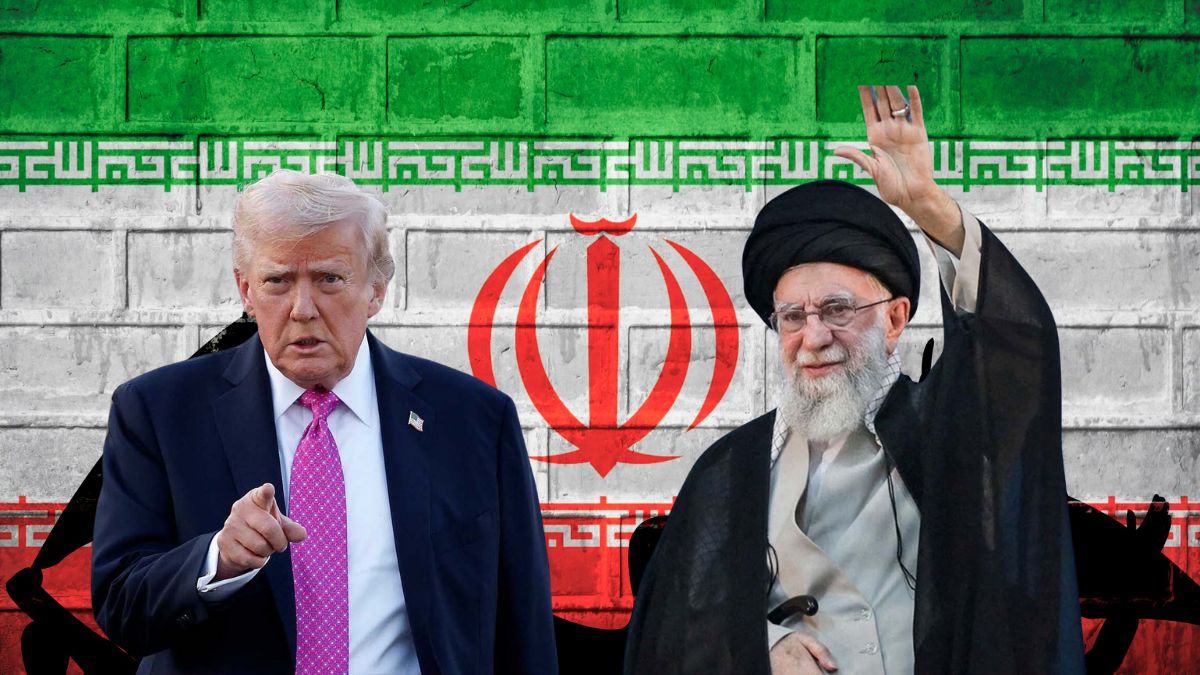
The latest surge in Iran-US tensions has pushed the Middle East to the edge of a dangerous escalation, as Tehran issues its strongest warning yet against a possible American attack. You are now witnessing a critical phase where military deterrence, diplomacy, and global markets collide.
The Iran-US tensions have reached a new and volatile peak after Iran publicly warned that any U.S. military strike would trigger a response that would not be limited in scope or geography. This statement comes as the United States significantly reinforces its naval and air presence in the Middle East, describing the deployment as a defensive deterrent. You are looking at a moment where rhetoric and military positioning are tightly intertwined. Understanding what this warning really means is essential to grasp the risks ahead.
The warning that changed the tone of Iran-US tensions
In recent hours, Iranian officials have issued a clear and deliberate message: if Iran is attacked, the response will be broad, multi-layered, and unrestricted. This warning represents one of the most explicit statements Tehran has made amid rising Iran-US tensions, signalling that retaliation would not be confined to a single target or territory.
You should understand this declaration as a strategic deterrence move. Iran is aiming to raise the perceived cost of any military action by the United States, especially at a time when American warships and aircraft are operating close to Iranian waters. The message is directed not only at Washington, but also at regional allies who might be drawn into a wider confrontation.
At the same time, Iranian officials have reiterated that diplomacy remains possible, but only without coercion. This dual message—openness to talks paired with uncompromising defence warnings—has become a defining feature of the current Iran-US tensions.
The U.S. military posture and the meaning of the “armada”
To fully grasp the situation, you need to look at the American military moves that triggered Iran’s response. The United States has recently deployed additional guided-missile destroyers, carrier strike group assets, and air support units to the Middle East. This buildup has been widely described as a “massive armada,” underscoring the scale of the deployment.


From Washington’s perspective, the objective is deterrence, not provocation. U.S. officials have stated that the reinforced presence is designed to protect American interests, reassure allies, and discourage hostile actions. However, in Tehran, these deployments are interpreted as direct pressure and a potential precursor to military action.
This mismatch in perception is one of the most dangerous elements of the current Iran-US tensions. When deterrence on one side is seen as preparation for war on the other, the risk of miscalculation increases sharply.
Why retaliation “will not be limited” matters
Iran’s use of the phrase “will not be limited” is not accidental. It suggests that any response could extend beyond conventional military targets and potentially affect regional security, maritime routes, and strategic infrastructure. For you as a reader, this is a signal that escalation could rapidly expand beyond a bilateral confrontation.
One area of particular concern is the Strait of Hormuz, a vital corridor for global energy supplies. Even the suggestion that this chokepoint could be affected is enough to unsettle markets and raise global anxiety. This is why statements linked to Iran-US tensions often have immediate economic consequences, even in the absence of direct conflict.
The warning also serves to strengthen Iran’s negotiating position. By emphasizing the scale of potential retaliation, Tehran is attempting to deter military action while pushing for diplomatic engagement on its own terms.
Diplomatic scrambling behind the scenes
While public rhetoric is hardening, diplomatic activity has not stopped. Regional actors, including Turkey and Gulf states, are quietly working to prevent the Iran-US tensions from tipping into open war. You should note that several countries in the region are wary of allowing their territory or airspace to be used in any military operation.
European governments are also watching closely, balancing concerns over Iran’s regional behavior with fears of a wider conflict that would destabilize energy markets and migration flows. This behind-the-scenes diplomacy highlights that, despite the aggressive language, many stakeholders are invested in de-escalation.
What you should watch next
As the Iran-US tensions continue to evolve, the most important signals to monitor are not just military movements, but shifts in diplomatic language. Any softening—or further hardening—of rhetoric from either side will offer clues about the direction of the crisis.
For now, the situation remains a high-risk standoff, defined by deterrence, warnings, and strategic ambiguity. War is not inevitable, but the margin for error is thin, and every new statement carries weight far beyond words.